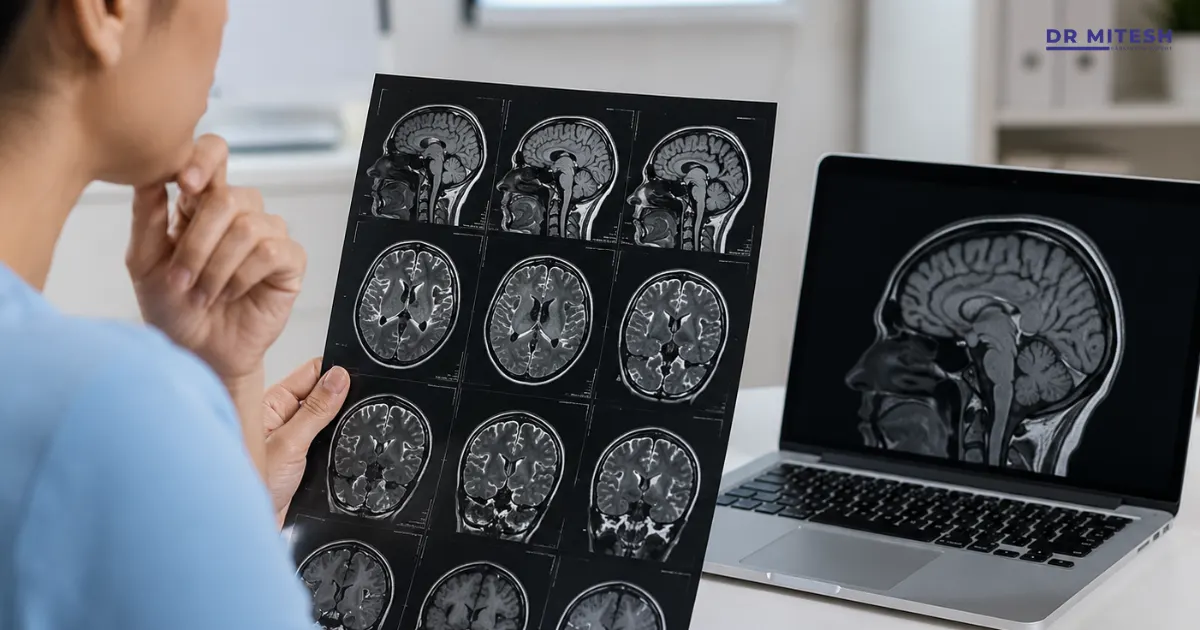
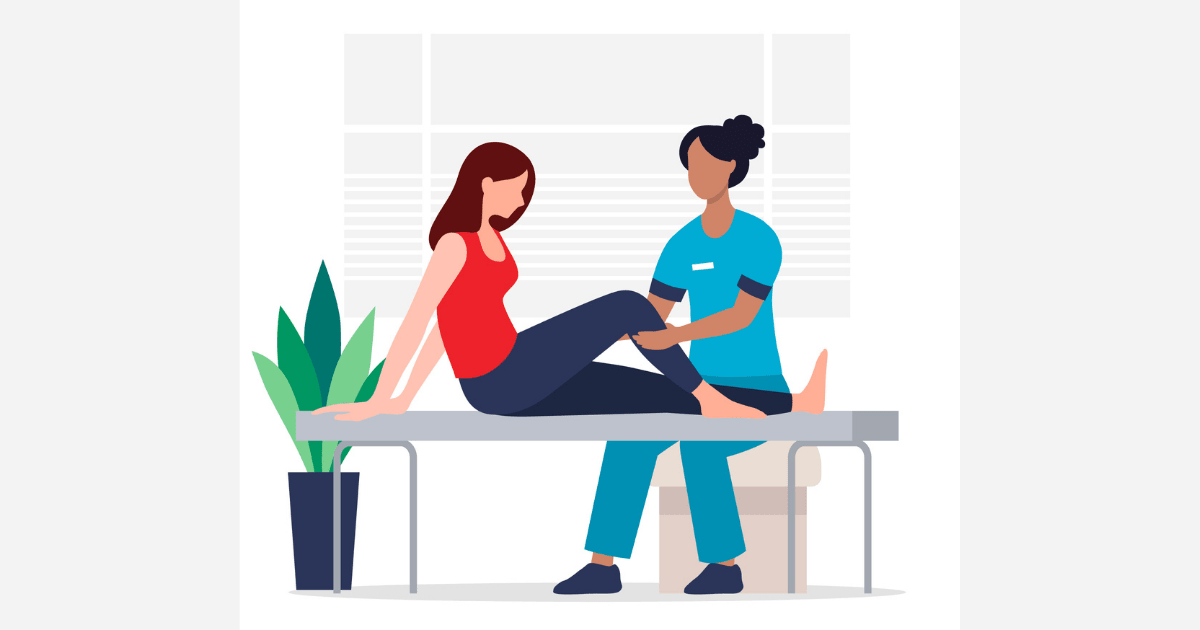
Rebuilding Balance Training for Ataxia (a coordination and balance disorder) affects the cerebellum and its connections. Because movement control depends on feedback loops and fine motor regulation, damage or dysfunction in those circuits can lead to imbalance, poor coordination, and frequent falls.
Physiotherapy (or physical therapy) offers more than just exercises.
- Helps retrain compensatory pathways
- Maintains muscle strength and flexibility
- Improves balance and gait control
- Slows functional decline
- Enhances confidence and quality of life
In the sections below, we’ll explore how to design effective programs, which kinds of exercise are most valuable, evidence backing their use, and how to overcome real-world challenges.
The Role of Physiotherapy in Ataxia
Why is Physiotherapy especially important in this condition?
- Neuroplasticity & compensation: Even when cerebellar damage is permanent, other brain circuits can adapt to assist movement control. Physiotherapy drives that adaptation.
- Strength & support: Muscle weakness or deconditioning often accompanies ataxia; physical therapy helps maintain or rebuild strength to support balance.
- Coordination training: Therapists can guide targeted exercises that reinforce control over head, trunk, and limb movements.
- Fall prevention: By improving balance reactions, anticipatory postural control, and awareness, therapy reduces fall risk.
- Maintaining mobility and independence: Regular therapy helps prolong walking ability, reduce disability, and preserve quality of life.
A review of rehabilitation in ataxias notes that “coordination training improved motor function and reduced ataxia symptoms” when combined with balance and task-oriented exercises.
Importantly, therapy should begin as soon as the diagnosis is made, even in mild cases. Early intervention helps preserve function longer.
Learn More About “Off” Episodes in Parkinson’s Disease: Understanding and Management.
What Evidence Rebuilding Balance & Gait Training?
Therapy principles must be backed by evidence for confidence. Here’s what research shows:
- A 6-week home-based rebuilding balance exercise program in patients with cerebellar ataxia improved walking speed, stride length, and dynamic gait measures.
- Importantly, improvements persisted one month later for most measures.
- The level of balance challenge in exercises was a stronger predictor of improvement than mere duration.
- In patients with hereditary ataxia, an outpatient + home physiotherapy program is currently under study to evaluate motor function, balance, and quality of life over 30 weeks.
- Use of intensive motor training in spinocerebellar ataxias has shown modest benefits. While a disease-modifying effect is not proven, short-term gains in coordination, balance, and walking have been seen when training is ongoing.
- Rehabilitation modalities combining balance, coordination, gait, treadmill work, and even biofeedback have shown continuous improvements in mobility, balance, and function.
- Dual-task (balance plus cognitive) training has shown benefits in dynamic balance and reducing “dual-task cost” (i.e. how much performance drops when doing two tasks at once) in ataxia patients.
While the evidence is still growing, the consistent message is: active, challenging, and sustained therapy matters.
Learn More About Anti-inflammatory Diets and Their Role in Neurological Health.
Designing Rebuilding Balance Training for Ataxia Patients
It’s not enough to do any exercise. The design and tailoring of therapy are critical. Here’s what to keep in mind.
Principles for Exercise Design
- Challenge level matters: Exercises must push balance capacity (within safety), not stay too easy.
- Progressive difficulty: Begin with simpler tasks (static balance) and gradually introduce dynamic challenges, dual-tasking, varied surfaces.
- Task-specific training: If walking is an issue, include walking tasks; if reaching, then reaching exercises.
- Repetition and consistency: Frequent, repeated practice helps consolidate motor learning.
- Safety first: Especially in dynamic balance tasks, use support, supervision, harness or safety rails early on.
- Individualization: Each person’s ataxia type, severity, and comorbidities differ so therapy must be tailored.
- Home exercise integration: Therapy should include exercises patients can safely perform at home to supplement clinic sessions.
Sample Exercise Types
Below are categories of exercises often used; a physical therapist can adapt and monitor them:
| Motion Focus | Examples / Notes |
|---|---|
| Static balance / posture control | Standing with feet close together, eyes open/closed, weight shifting in place |
| Dynamic balance / stepping | Reaching forward, side stepping, tandem walking (heel-to-toe) |
| Gait training | Speed stepping, obstacle navigation, treadmill walking |
| Coordination / limb control | Hand-to-target, finger-nose, heel-shin tasks |
| Core/trunk control | Seated balance, trunk flexion/extension, perturbation control |
| Dual-task exercises | Walking while counting backwards, carrying object while stepping |
| Frenkel / proprioceptive | Slow, deliberate limb movements while watching the limb (Frenkel exercises) |
The National Ataxia Foundation’s “Coordinative Physiotherapy” guidelines emphasize improving static and dynamic control, gradually increasing challenge, and adopting movement behavior changes over time.
Also, the NAPA Center offers simple exercise instructions usable both in clinic and home programs.
Learn More About What Is Neurological Fatigue and How to Avoid It?
Exercises to Improve Walking in Ataxia
Walking (gait) is often one of the most affected daily activities. Here’s how to target it:
- Weight-shifting gait drills
- Practice walking while shifting weight deliberately from one leg to the other
- Use stepping boxes, markers, or uneven surfaces
- Treadmill walking
- Under supervision, treadmill training may help with stepping rhythm and consistency. Some studies in cerebellar stroke support treadmill benefits in postural stability.
- Adjust speed so the person is challenged but safe
- Obstacle negotiation
- Walk while stepping over small obstacles or cones
- Practice turning, changing directions, avoiding obstacles
- Dual-task walking
- Walk while doing a cognitive task (e.g. counting, naming animals) to train multitasking under real conditions. Dual-task training has shown improvements in dual-task cost.
- Stride length and cadence training
- Use metronome pacing to encourage consistent steps
- Visual feedback (tape on floor) helps with step consistency
- Walking in varied environments
- Uneven surfaces, grass, sand, slopes, ramps, gradually introduce variability to improve adaptability
- Assistive device training
- If using cane or walker, practice walking with the device in complex settings
One small but meaningful home program demonstrated measurable improvements in walking parameters after six weeks of balance-focused therapy.
Learn More About Parkinson’s and Stroke: Causes, Symptoms, and Care.
Rehabilitation for Coordination Problems
Coordination disturbances (ataxia) often affect more than gait, involving limb control, eye-hand coordination, and fine motor tasks. Here’s how therapy helps with coordination:
- Proprioceptive feedback training: Moving limbs with sensory cues, gradually reducing visual reliance
- Slow, controlled movement practice: Emphasis on accuracy over speed (e.g. Frenkel exercises)
- Targeted limb tasks: Finger-to-nose, heel-to-shin, alternate tapping
- Mirror or visual feedback: Watching own movement to self-correct
- Task chaining: Breaking down complex tasks (e.g. reach + grasp + place) into component movements
- Combination tasks (coordination + balance): Reaching while balancing, manipulating objects while standing
Coordination training has been shown to reduce symptoms and improve function when sustained over time.
Benefits & Realistic Goals of Physiotherapy in Ataxia
What can be realistically expected from long-term therapy? What benefits have been documented?
Common Benefits
- Improved walking speed and stride parameters (longer steps, less double support time)
- Better balance scores and reduced sway
- Improved gait stability in variable terrain
- Reduced fall risk / greater confidence
- Greater independence in daily activities
- Delaying deterioration, slowing functional decline over time
- Improved coordination and upper limb control
Crucially, benefits tend to fade if therapy stops; consistency is key.
Setting Realistic Goals
Rather than aiming for “cure” (which is often not possible in hereditary or degenerative ataxias), goals typically include:
- Maintaining or slightly improving mobility
- Preventing falls and injury
- Improving quality-of-life and independence
- Slowing the pace of decline
- Enhancing balance strategies (e.g. better responses to perturbation)
A study in spinocerebellar ataxia noted that intensive training might slow symptom severity, though gains often require ongoing effort.
Some newer technologies, like virtual reality or exergames, are being used as therapy adjuncts to enhance motivation, engagement, and functional training.
Learn More About Ataxia vs Parkinson’s: Understanding the key Differences.
Addressing Common Patient Concerns
Here are some practical worries people often have, and how to think about them.
Q1: What if I fall often during therapy?
- Therapists use safety measures (harness, parallel bars, supervision) in early stages
- Start with low-risk tasks before progressing
- Ensure proper footwear, good lighting, support nearby
Q2: Will therapy make me more tired or worsen symptoms?
- Initially, fatigue is expected. But over time, strength and control should reduce fatigue.
- Sessions should be paced and adapted to your endurance.
Q3: How many sessions per week do I need?
- There’s no one-size-fits-all. Many studies use 2-3 supervised sessions weekly + home exercise.
- The key is consistency and challenge.
Q4: What if my ataxia is genetic and progressive? Is therapy still useful?
- Yes, even in progressive forms, therapy can slow decline, maintain function, and reduce complications.
- Intensive, continued training often yields better long-term outcomes.
Q5: Can I do exercises at home on my own?
- Yes, with proper guidance and safety planning.
- Therapists should design a home program that is safe, effective, and adapted to your setting.
- Balance challenge and progression, adjust difficulty slowly.
Q6: Are advanced tools like VR or gaming useful?
- Yes, some studies show benefits in engagement, motivation, and functional gains.
- These tools should complement, not replace, hands-on supervision, especially early on.
Putting It All Together: Sample Program Flow
Here’s a hypothetical progression for someone with balance challenges from ataxia:
- Assessment & Baseline
- Balance scales (e.g. Berg Balance Scale)
- Gait testing (10 m walk, timed up & go)
- Coordination tests
- Phase 1 (Weeks 1-4): Foundation & Safety
- Static balance (standing with support)
- Weight shifting, trunk control
- Coordination in seated or supported positions
- Home program for daily repetition
- Phase 2 (Weeks 5-12): Dynamic & Gait Integration
- Gait drills, stepping, dual-task walking
- Obstacle courses
- Coordination + balance tasks combined
- Phase 3 (Maintenance & Progression)
- Vary surfaces, speed, dual-tasking
- Virtual reality or exergames
- Periodic re-assessment to adjust program
- Long-term
- Continue home exercises indefinitely
- Booster supervised sessions
- Monitor for fall risk, adjust as needed
Therapist and patient must regularly review progress and adjust challenge levels.
When to Seek Medical Help
While physiotherapy plays a powerful role in managing ataxia, it’s important to know when to reach out for medical help. You should consult a neurologist or physiotherapist if you notice:
- Increasing frequency of falls or difficulty maintaining balance during simple tasks
- New symptoms like tremors, slurred speech, or vision changes
- Unexplained fatigue, weakness, or stiffness that worsens over time
- Sudden worsening of coordination or walking despite regular therapy
- Pain, dizziness, or fainting episodes during exercises
A Movement Disorder Specialist, can assess your needs and coordinate with your physiotherapist to adjust the treatment plan.
Conclusion
Regaining balance and confidence is not a luxury, it’s a vital part of living with ataxia. Through physiotherapy, individuals can tap into the brain’s ability to adapt, preserve strength, retrain coordination, and reduce fall risk. While we may not always reverse the underlying disease, what therapy does is rebuild stability where possible, slow decline, and amplify independence.
If you or someone you know is living with ataxia, the next step is working with a physiotherapist experienced in movement disorders to design a safe, tailored program. I can also help you draft a patient-friendly exercise starter kit or protocol checklist for therapists if you’d like.
Remember, the best results in Rebuilding Balance come when therapy and medical care work hand in hand, keeping your safety and quality of life at the center.
Authoritative References
- NAPA – Rebuilding Balance in Ataxia
- Wikipedia – Rebuilding Balance Program
- National Institutes of Health – Treadmill Training for Rebuilding Balance
- National Ataxia Foundation – Rebuilding Balance by Exercise