
Occupational Therapy for Neurological Patients: What to Expect

Occupational therapy plays a vital role in helping individuals with neurological disorders regain independence and improve their quality of life. Whether it’s Parkinson’s disease, stroke, multiple sclerosis, or traumatic brain injury, occupational therapy can provide patients with strategies to manage daily tasks, enhance mobility, and maintain functional abilities. This blog explores what occupational therapy involves, […]
Neurological Causes of Chronic Fatigue: It’s More Than Just Tiredness

Chronic fatigue is a condition that affects millions of people worldwide. While it’s easy to dismiss it as simple tiredness, chronic fatigue, especially when rooted in neurological causes is a complex medical issue that deserves close attention. Unlike typical fatigue that resolves with rest, chronic fatigue can persist for months or even years, severely impacting […]
Foods That Improve Brain Health
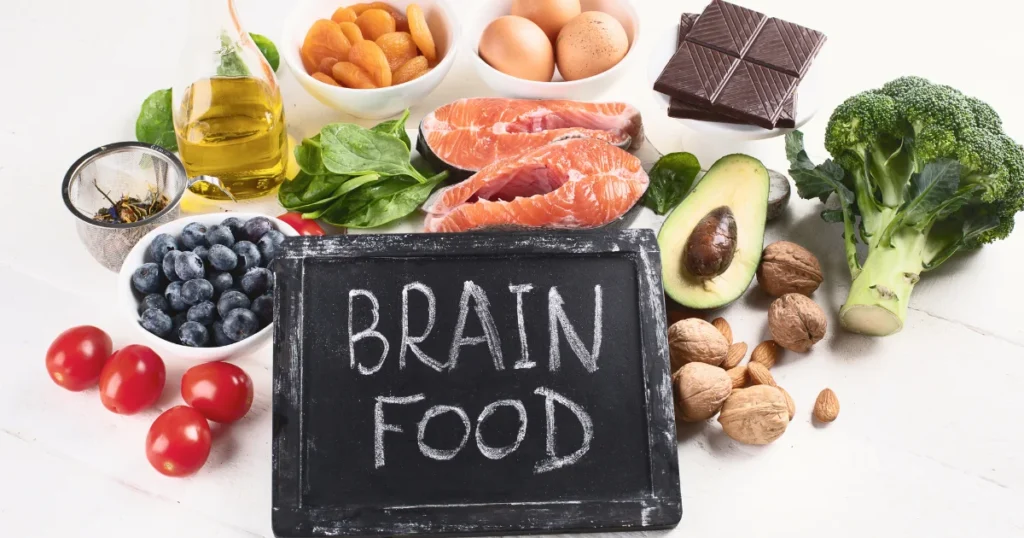
Maintaining good Brain Health is essential for overall well-being, especially as we age. The brain, like any other organ in the body, requires proper nutrition to function optimally. A balanced diet rich in brain-boosting nutrients can enhance memory, concentration, and cognitive function, and even reduce the risk of neurological disorders. Understanding what foods support brain […]
Speech Changes in Neurological Disorders: Causes and Therapies

Speech is one of the most vital aspects of human communication. When a person begins to experience changes in speech patterns, voice clarity, or the ability to articulate words, it may be a sign of underlying health issues. One common cause of such issues is neurological disorders. These conditions affect the brain, spinal cord, or […]
The Brain-Gut Connection: How Digestive Health Affects the Mind
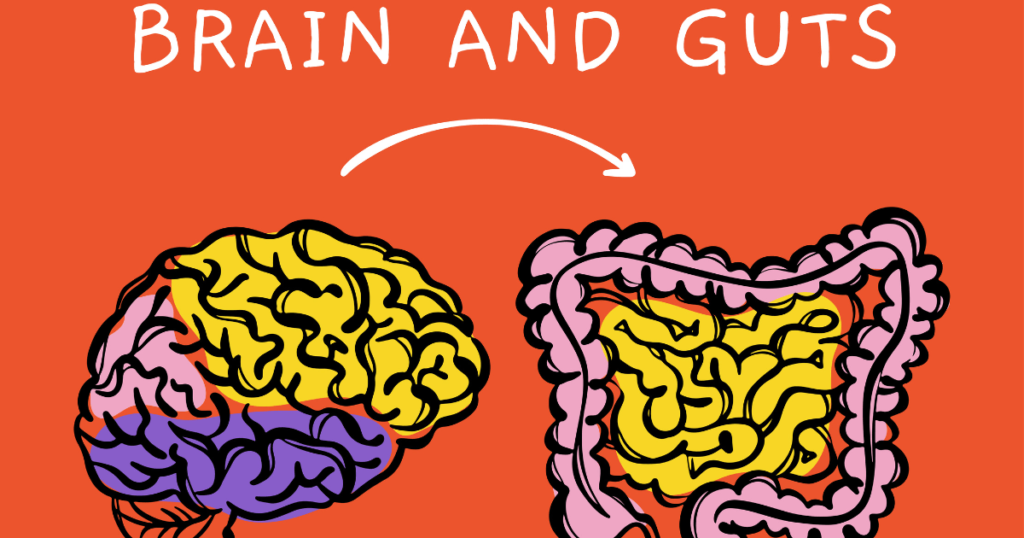
Have you ever felt butterflies in your stomach before an exam or a stressful meeting? That’s not just a figure of speech, it’s a real sign of how closely the gut and brain are connected. Scientists now call this link the Brain-Gut connection, and research shows that our digestive health can directly influence mood, memory, […]
Tremors in Childhood and Adolescence: Why Early Diagnosis Matters

Tremors are often thought of as a condition that only affects older adults. But in reality, Tremors in Childhood and adolescence are not uncommon. When a child’s hand shakes while holding a spoon or a teenager’s handwriting becomes shaky, it can worry parents and raise questions about what’s happening. While not always a serious medical […]
Parkinson’s and Gut Health: The Connection and Its Impact
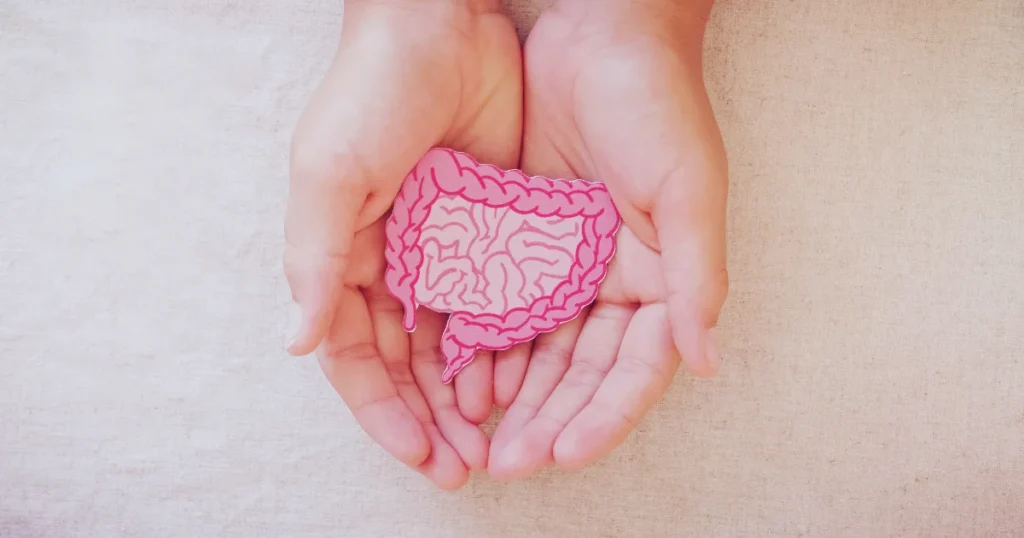
Parkinson’s disease is widely recognized for its impact on movement, but growing research has begun to highlight another crucial aspect: gut health. The connection between Parkinson’s and gut health is an emerging area of study that is changing how doctors view and treat the disease. Understanding this relationship can lead to better symptom management and […]
Early-Onset Parkinson’s: Living with Parkinson’s Before 50

Parkinson’s disease is typically associated with older adults, usually diagnosed after the age of 60. However, a growing number of individuals are being diagnosed much earlier in life. This condition, known as Early-Onset Parkinson’s, affects people under the age of 50 and presents unique physical, emotional, and social challenges. Understanding this early form of Parkinson’s […]
Can Parkinson’s Affect Vision: What You Should Know

Parkinson’s disease is primarily recognized as a movement disorder, characterized by symptoms like tremors, stiffness, and slowness of movement. However, many people wonder: Can Parkinson’s affect vision? The answer is yes. While it may not be the most commonly discussed symptom, vision changes and visual disturbances can significantly impact the quality of life for people […]
Freezing of Gait in Parkinson: Causes & Coping
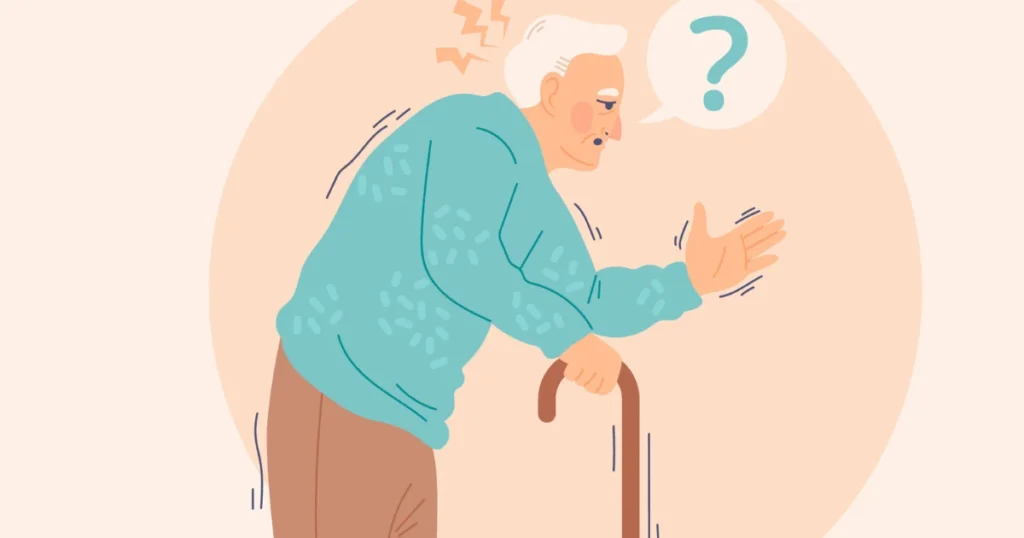
One of the most challenging symptoms that patients with Parkinson’s disease face is the sudden inability to move their feet while walking. This symptom, known as Freezing of Gait (FOG), can increase the risk of falls and severely impact the quality of life. Understanding what causes this phenomenon and learning coping strategies can empower both […]