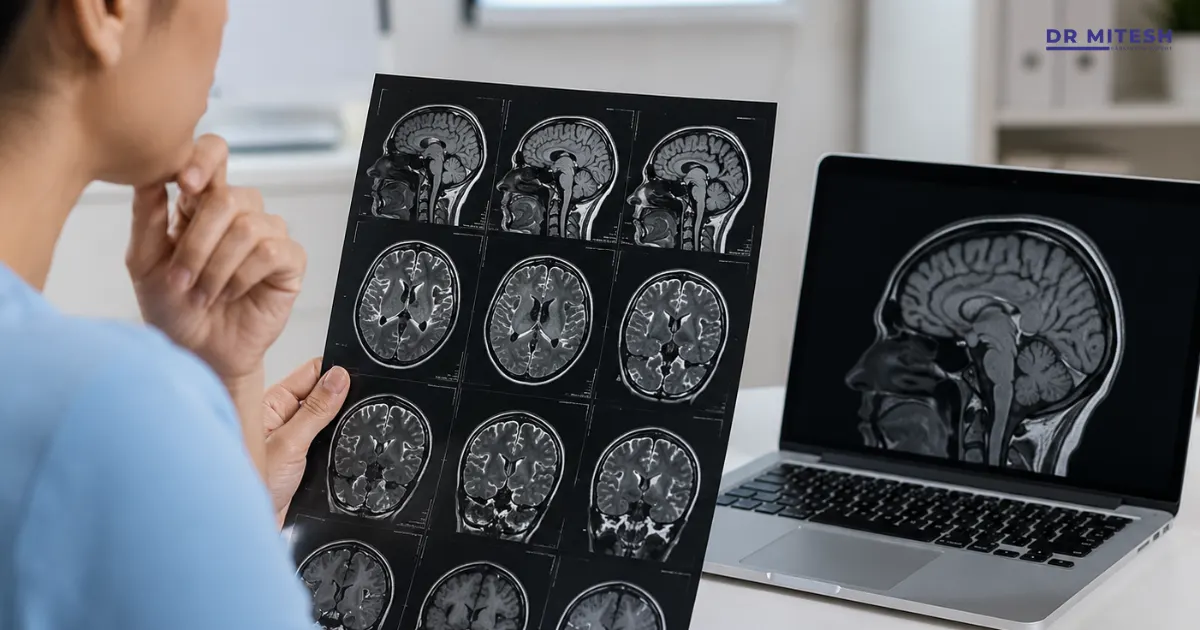

Neurological disorders encompass a wide range of conditions that affect the brain, spinal cord, and peripheral nerves. From Parkinson’s disease and epilepsy to multiple sclerosis and migraines, these disorders can significantly impair daily functioning and quality of life. While medications and medical interventions play a crucial role in treatment, lifestyle changes are increasingly recognized as powerful tools for managing neurological disorders and improving patient outcomes.
Understanding Neurological Disorders
Neurological disorders arise from abnormalities in the structure, function, or biochemistry of the nervous system. These disorders may be congenital, genetic, or acquired through trauma, infections, autoimmune reactions, or environmental exposures.
- Examples include Parkinson’s disease, Alzheimer’s disease, epilepsy, stroke, and multiple sclerosis
- Symptoms range from seizures and tremors to memory loss and movement issues
- Early diagnosis and consistent treatment can slow disease progression and improve quality of life
Learn More About Occupational Therapy for Neurological Patients: What to Expect.
Role of Lifestyle in Managing Neurological Disorders
Research suggests that certain lifestyle changes can positively impact neurological health and slow disease progression. These strategies complement medical treatments and help individuals maintain independence and mental well-being.
- Regular physical activity improves mobility and reduces depression
- Balanced nutrition supports brain function and reduces inflammation
- Sleep hygiene helps regulate mood and cognitive function
- Stress management lowers cortisol levels that negatively impact the brain
Physical Activity and Neurological Health
Exercise is one of the most effective non-pharmacological tools for managing neurological disorders. It promotes neuroplasticity, improves circulation, and enhances motor coordination.
- Aerobic exercises like walking, swimming, or cycling improve cardiovascular health and brain oxygenation
- Strength training helps maintain muscle mass and prevent falls
- Yoga and tai chi enhance balance, flexibility, and mental relaxation
- Regular activity can delay the progression of Parkinson’s and reduce seizure frequency in epilepsy
Learn More About Exercise for Parkinson’s Patients.
Nutrition and Brain Function
Diet plays a key role in brain health. Nutrients like omega-3 fatty acids, antioxidants, and vitamins are essential for nerve repair and neurotransmitter function.
- Mediterranean diet is rich in whole grains, vegetables, fish, and healthy fats
- Antioxidant-rich foods reduce oxidative stress linked to neurodegeneration
- Vitamin B12 and D are important for myelin health and cognitive function
- Hydration supports neuronal activity and mental clarity
Learn More About Can Vitamin Deficiencies Cause Neurological Symptoms?
Sleep and Neurological Stability
Sleep is vital for brain restoration, memory consolidation, and emotional regulation. Poor sleep can exacerbate symptoms of many neurological disorders.
- Maintain a regular sleep schedule
- Avoid caffeine and screen time before bed
- Create a sleep-conducive environment (cool, dark, quiet)
- Address sleep disorders like insomnia or sleep apnea with a specialist
Learn More About REM Sleep Behavior Disorder (RBD).
Managing Stress and Mental Health
Chronic stress has been linked to increased inflammation and exacerbation of neurological symptoms. Reducing stress can improve both physical and emotional health.
- Practice mindfulness, meditation, or breathing exercises daily
- Engage in hobbies or creative activities for mental relaxation
- Limit exposure to stressful environments or news
- Seek therapy or support groups for emotional resilience
Learn More About How Stress Impacts Brain Health?
Avoiding Toxins and Harmful Substances
Exposure to certain environmental toxins can trigger or worsen neurological conditions. Being mindful of these exposures is critical.
- Avoid smoking and limit alcohol intake
- Use protective gear when handling chemicals
- Choose organic produce to reduce pesticide exposure
- Ensure proper ventilation at home and workplace
Staying Socially Connected
Isolation can worsen cognitive decline and emotional distress in patients with neurological disorders. Social interaction stimulates the brain and uplifts mood.
- Maintain regular contact with family and friends
- Join support groups for shared experiences
- Participate in community events or volunteering
- Use video calls or social media to stay connected when in-person isn’t possible
Monitoring and Adapting Over Time
Lifestyle interventions are not one-size-fits-all. Individual needs and responses vary, so regular monitoring and adjustments are essential.
- Keep a symptom diary to track improvements or flare-ups
- Adjust diet, exercise, or medication as needed
- Collaborate with a neurologist or healthcare provider for guidance
- Regularly review and update treatment plans
Integrative Therapies for Enhanced Management
Complementary therapies can provide additional symptom relief and support mental well-being when integrated with conventional care.
- Acupuncture may relieve pain and enhance energy flow
- Music therapy can improve cognitive function and emotional expression
- Art therapy encourages creativity and stress reduction
- Massage therapy helps reduce muscle stiffness and promote relaxation
Conclusion
Managing neurological disorders through lifestyle changes offers a holistic approach that empowers patients to take control of their health. By incorporating regular exercise, balanced nutrition, sufficient sleep, stress reduction, and social engagement, individuals can complement medical treatments and experience better long-term outcomes. For those living with conditions like Parkinson’s or epilepsy, these strategies are vital components of comprehensive care.
With the guidance of a Movement Disorder Specialist, individuals and families can access expert care and supportive therapies to better navigate the complexities of this condition.
Authoritative References:
- Mayo Clinic – 8 Ways to keep your Brain Young
- American Heart Association – Food for Thought
- American Brain Foundation – Sleep and Brain Function
- Harvard Health Publishing – Stress and Mental Health