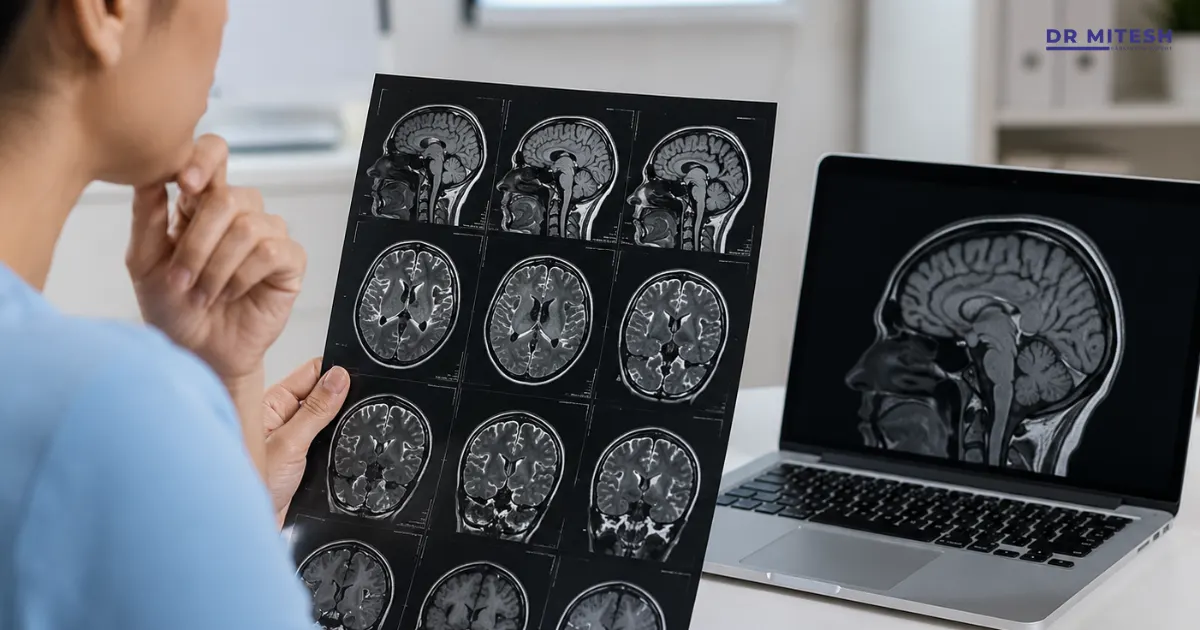

Functional Movement Disorders (FMDs) are neurological conditions that involve abnormal movements such as tremors, spasms, or gait issues without any identifiable structural damage in the brain or nervous system. Though these disorders are real and disabling, they are not caused by traditional neurological diseases like Parkinson’s or multiple sclerosis. Understanding Functional Movement Disorders is essential for early diagnosis and effective treatment planning.
What Are Functional Movement Disorders?
Functional Movement Disorders are part of a broader category known as Functional Neurological Disorders (FND). In FMD, the brain’s normal control of movement is disrupted, even though there is no detectable damage on MRI or CT scans.
- Symptoms may mimic other neurological conditions
- Often triggered by stress, trauma, or psychological factors
- Can include tremors, jerky movements, abnormal gait, or spasms
- Not due to a degenerative or structural brain disease
- Symptoms can improve with appropriate treatment and therapy
Learn More About Drug Induced Movement Disorders: Causes and Treatments.
Common Symptoms of Functional Movement Disorders
Patients with Functional Movement Disorders may experience a wide range of movement-related symptoms. These symptoms are often inconsistent, meaning they can vary in frequency and intensity.
- Involuntary tremors or shaking
- Sudden jerks or spasms in arms or legs
- Abnormal gait (walking pattern)
- Muscle weakness or paralysis
- Speech disturbances such as stuttering or slurred speech
- Difficulty swallowing (dysphagia)
- Facial tics or grimacing
- Symptoms may worsen with attention and improve when distracted
Differentiating FMDs from Other Neurological Conditions
One of the challenges in diagnosing Functional Movement Disorders is that their symptoms closely resemble other neurological diseases. However, certain features help distinguish FMDs.
- Sudden onset of symptoms
- Inconsistency during clinical examination
- Normal results in neuroimaging and lab tests
- Symptoms improve with distraction or certain types of therapy
- Coexisting symptoms like fatigue, pain, and memory issues
Learn More About Mirror Movements: What They Reveal About the Nervous System.
Causes and Risk Factors
There is no single cause for Functional Movement Disorders. They are believed to result from a complex interaction of psychological and physiological factors.
- History of physical or emotional trauma
- High levels of stress or anxiety
- Coexisting psychiatric conditions like depression
- Previous neurological illness or injury
- Family history of functional or psychological disorders
- Genetic predisposition is not strongly implicated
Diagnosis of Functional Movement Disorders
Diagnosis of FMDs involves ruling out other neurological conditions. A neurologist will often rely on a detailed patient history, clinical observation, and supportive diagnostic criteria.
- Detailed physical and neurological examination
- MRI or CT scans to rule out structural brain abnormalities
- Electroencephalogram (EEG) for seizure-like symptoms
- Functional MRI (fMRI) in select cases
- Psychological assessment to identify comorbid conditions
Treatment Approaches
Functional Movement Disorders are treatable, especially when diagnosed early. Treatment usually involves a combination of medical, psychological, and rehabilitative interventions.
- Education and Reassurance:
- Explaining the diagnosis to the patient clearly and empathetically
- Reduces fear and uncertainty
- Builds trust and improves adherence to treatment
- Physical and Occupational Therapy:
- Tailored exercises to retrain movement
- Helps improve coordination and reduce symptoms
- Enhances muscle strength and joint flexibility
- Psychotherapy:
- Cognitive Behavioral Therapy (CBT) to address stress or trauma
- Helps patients cope with anxiety or depression
- Mindfulness and stress-reduction techniques
- Medications:
- Antidepressants or anti-anxiety drugs for coexisting conditions
- No specific drug for FMD, but symptom relief is possible
- Multidisciplinary Rehabilitation:
- Combines neurology, psychiatry, physiotherapy, and counseling
- Holistic approach enhances long-term recovery
Learn More About Sleep Disorders in Parkinson’s: Causes and Treatments.
Living with Functional Movement Disorders
Daily life with Functional Movement Disorders can be challenging, but many people experience significant improvements with proper care. Lifestyle modifications and support play a key role.
- Establishing a routine with regular physical activity
- Avoiding known triggers such as stress or sleep deprivation
- Seeking support from family and patient communities
- Maintaining open communication with healthcare providers
- Regular follow-ups to adjust treatment as needed
When to See a Neurologist
If you or someone you know is experiencing unexplained movement symptoms, early medical consultation is essential.
- Sudden tremors, spasms, or difficulty walking
- Neurological symptoms with no apparent cause
- Symptoms that fluctuate or improve with distraction
- Emotional distress along with physical symptoms
- Previous psychological trauma or chronic stress
Learn More About Occupational Therapy for Neurological Patients: What to Expect.
Final Thoughts
Functional Movement Disorders are real and manageable conditions that require a comprehensive and compassionate approach. Despite being misunderstood for years, medical advances now provide clear diagnostic criteria and effective treatment strategies. Early diagnosis and an interdisciplinary treatment plan can lead to substantial symptom relief and improved quality of life.
For patients of Movement Disorders, Consult the Best Parkinson Doctor at Medisquare Superspeciality Hospital offers specialized care for Functional Movement Disorders and related neurological conditions. His patient-centered approach integrates clinical expertise with supportive therapies, helping patients regain control of their lives.
Authoritative References
- Cleveland Clinic – Functional Movement Disorder
- Journal of Movement Disorders – Functional Movement Disorder
- Stanford Medicine – Functional Movement Disorder
- Science Direct – Functional Movement Disorder
- International Parkinson And Movement Disorder Society – Functional Movement Disorder