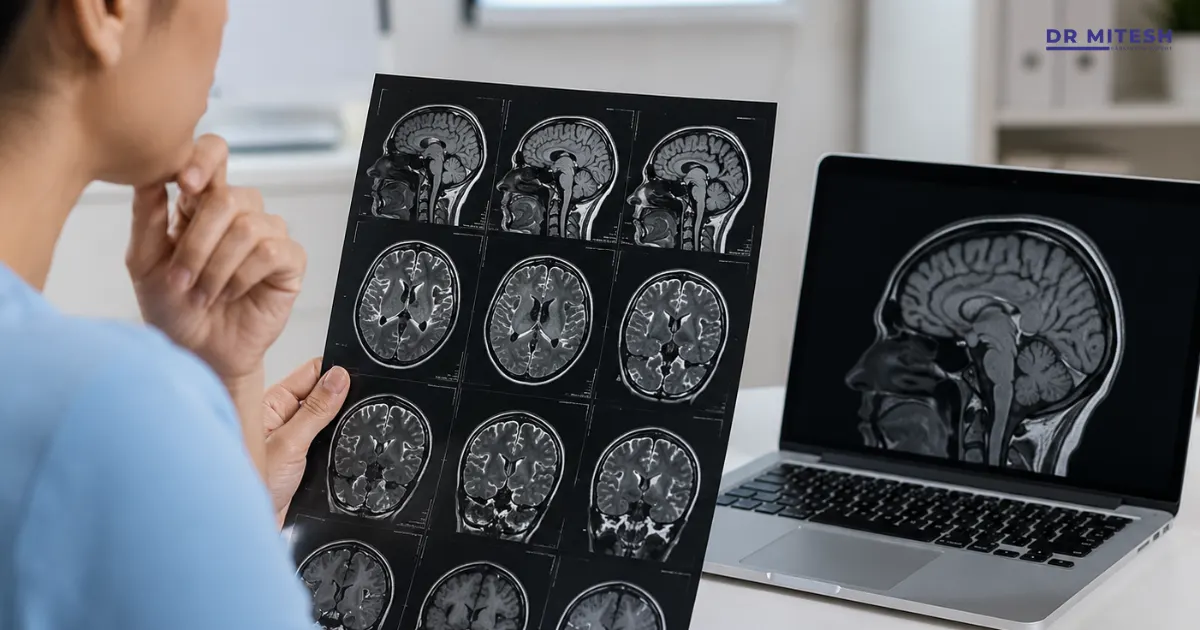

Movement disorders can arise from various underlying causes, one of which is medication. Drug induced movement disorders (DIMDs) are neurological symptoms that result from adverse effects of certain medications on the nervous system. Recognizing these disorders is crucial, as timely identification and treatment adjustment can significantly improve a patient’s quality of life.
What Are Drug Induced Movement Disorders?
Drug induced movement disorders refer to involuntary motor symptoms caused by medications that affect the brain’s neurotransmitter systems, particularly dopamine. These symptoms can range from tremors and rigidity to abnormal movements such as tics, dystonia, or even psychomotor slowing.
- Common in patients on antipsychotic or antiemetic medications
- Typically reversible with dose adjustment or discontinuation
- Often mistaken for primary neurological disorders
- May develop soon after medication initiation or after prolonged use
- Risk increases with age and polypharmacy
Learn More About Multiple System Atrophy: Symptoms, Diagnosis, and Management.
Common Medications Associated with DIMDs
Several classes of drugs have been linked to movement-related side effects. These include:
- Antipsychotics (typical and atypical): Used to treat schizophrenia, bipolar disorder, and severe depression
- Antiemetics: Drugs like metoclopramide and prochlorperazine
- Antidepressants: Especially SSRIs and tricyclics
- Calcium channel blockers: Sometimes used for hypertension
- Antiepileptics: Used for seizure management
Types of Drug Induced Movement Disorders
Understanding the various types of DIMDs can aid in proper diagnosis and treatment:
- Tardive Dyskinesia:
- Characterized by repetitive, involuntary movements, usually of the face and tongue
- Common with long-term use of antipsychotics
- May persist even after stopping the medication
- Parkinsonism:
- Symptoms mimic Parkinson’s disease: tremors, stiffness, slowness of movement
- Caused by dopamine-blocking drugs
- Symptoms may resolve after drug withdrawal
- Akathisia:
- Inner restlessness and urge to move
- Often appears shortly after starting antipsychotics
- Can be mistaken for anxiety or agitation
- Dystonia:
- Sudden, sustained muscle contractions causing twisting or abnormal posture
- May affect the neck, eyes, or limbs
- Often occurs soon after starting medication
- Tremors:
- Fine or coarse shaking, especially in the hands
- Can be seen with lithium, valproate, or SSRIs
Learn More About Corticobasal Degeneration: Symptoms, Causes, Treatments.
Diagnosing Drug Induced Movement Disorders
Proper diagnosis is key to managing Drug Induced Movement Disorders (DIMDs) effectively. Since many symptoms overlap with primary movement disorders, a thorough evaluation is essential.
- Review of medication history, including dose and duration
- Clinical examination of symptom patterns
- Neuroimaging may be used to rule out structural brain issues
- Lab tests to exclude metabolic causes
- Symptom resolution upon stopping or adjusting the medication can confirm diagnosis
Risk Factors to Consider
Some individuals are more prone to developing DIMDs than others. Recognizing these risk factors can guide safer medication use.
- Age: Older adults are at higher risk
- Gender: Females may be more susceptible
- Genetics: Family history of movement disorders
- Dose and duration: Higher doses and longer use increase risk
- Co-existing conditions: Dementia, psychiatric illness, or kidney/liver impairment
Learn More About Restless Legs Syndrome: Symptoms, Causes, Treatments.
Treatment and Management Strategies
Once identified, treatment aims to reduce symptoms while maintaining control of the primary condition requiring medication.
- Medication adjustment:
- Reducing dose or switching to a different drug
- Using medications with a lower risk of movement side effects
- Symptomatic treatment:
- Tetrabenazine or deutetrabenazine for tardive dyskinesia
- Beta-blockers or benzodiazepines for tremors and akathisia
- Anticholinergic drugs for parkinsonism
- Non-pharmacological therapies:
- Physical therapy to maintain mobility and posture
- Speech therapy for facial and vocal muscle involvement
- Occupational therapy to support daily living activities
- Monitoring and follow-up:
- Regular assessments to catch early signs of DIMDs
- Involving a neurologist or movement disorder specialist
Prevention Tips for At-Risk Patients
Preventing Drug Induced Movement Disorders is often better than treating them. Healthcare providers and patients can work together to minimize risks.
- Start with the lowest effective dose
- Avoid polypharmacy when possible
- Use alternative medications when feasible
- Educate patients about potential side effects
- Monitor regularly, especially in high-risk individuals
Learn More About Understanding the Difference Between Neurological and Mental Health Conditions.
Importance of Timely Intervention
Delaying diagnosis or continuing the offending medication can lead to persistent or worsening symptoms. Prompt intervention helps prevent irreversible damage and improves patient outcomes.
- Early recognition allows for simple treatment changes
- Prevents misdiagnosis as primary neurological disorders
- Reduces caregiver burden and patient distress
- Enhances quality of life and medication adherence
Role of Specialists in Managing DIMDs
Movement disorder specialist is essential in identifying and managing drug induced movement disorders. Patients benefit from expert evaluations and comprehensive, multidisciplinary care, ensuring that each case is carefully assessed and treated with the latest approaches in movement disorder management.
Learn More About Managing Neurological Disorders Through Lifestyle Changes.
Conclusion
Drug induced movement disorders are a significant clinical concern, especially with the widespread use of dopamine-affecting medications. Recognizing early signs, evaluating risks, and adjusting treatment promptly can help mitigate these effects. With the right specialist guidance and ongoing monitoring, most DIMDs are manageable and reversible, helping patients maintain a better quality of life without compromising their primary treatment needs.