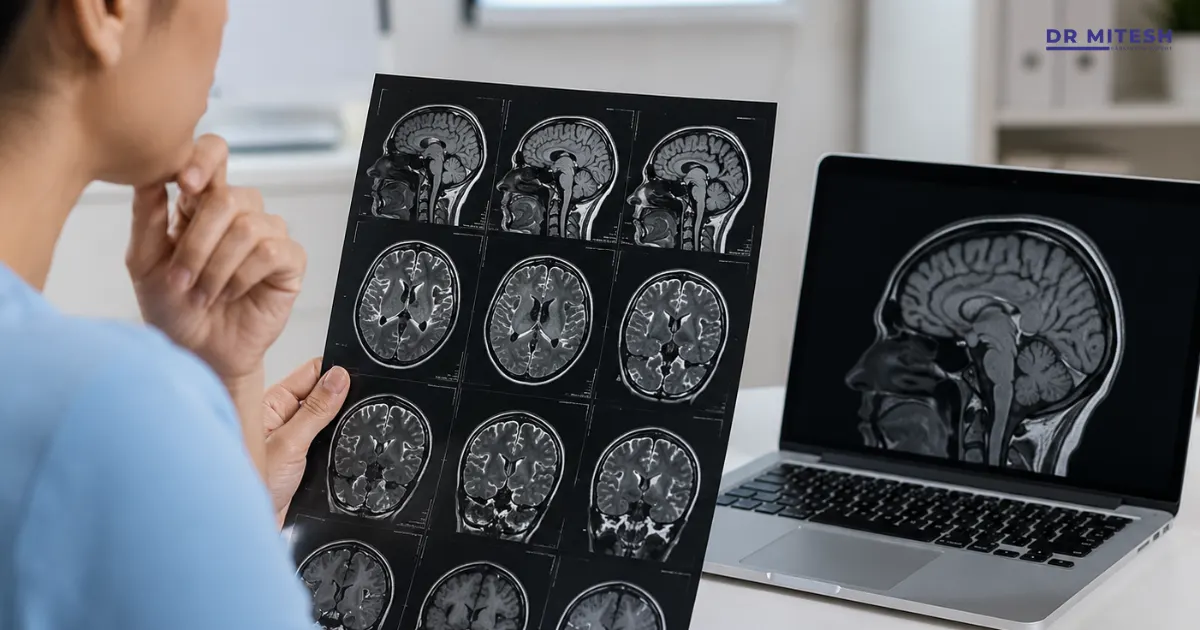

Huntington’s disease is a rare, inherited condition that progressively affects the brain’s nerve cells. One of its most recognizable symptoms is chorea, a term used to describe involuntary, erratic movements that resemble dancing or fidgeting. Understanding the connection between Huntington’s disease and chorea is essential for early diagnosis, comprehensive care, and improving quality of life for patients and their families.
What Is Chorea?
Chorea is a neurological symptom marked by brief, unpredictable, and involuntary movements. These can affect the face, limbs, or trunk and may interfere with everyday tasks.
- Movements may appear dance-like, twisting, or writhing
- Often worsens with stress or anxiety
- Can affect speech and coordination
- Not typically present during sleep
- May vary in severity throughout the day
Chorea is not a disease in itself, but rather a symptom associated with various conditions, especially Huntington’s disease.
Learn More About Tourette Syndrome & Tics: Symptoms and Management.
What Is Huntington’s Disease?
Huntington’s disease (HD) is a genetic disorder caused by a mutation in the HTT gene. This mutation results in the abnormal production of a protein called huntingtin, which damages specific brain regions over time.
- It is autosomal dominant, meaning only one copy of the mutated gene is needed
- Symptoms usually begin between ages 30 and 50
- Affects movement, cognition, and psychiatric health
- Progresses gradually over 10 to 25 years
- No cure, but symptoms can be managed
Chorea is often the first visible sign of HD and becomes more prominent as the disease progresses.
Early Signs of Huntington’s Disease
The initial symptoms may be subtle but gradually worsen over time. Recognizing them early can help in managing the disease more effectively.
- Involuntary movements (chorea)
- Difficulty concentrating or organizing tasks
- Irritability or mood swings
- Poor coordination and balance
- Slurred speech or difficulty swallowing
- Memory lapses or reduced judgment
If you or someone in your family has a history of Huntington’s Disease, it’s important to consult a neurologist for a thorough assessment.
Learn More About Wilson’s Disease: A Rare but Treatable Condition.
Neurological Basis of Chorea in Huntington’s
The hallmark of Chorea in Huntington’s is due to the degeneration of neurons in the basal ganglia, a brain area that controls movement.
- Neuronal loss affects dopamine regulation
- Motor circuits become dysregulated, leading to erratic movements
- Damage spreads to other brain regions, affecting cognition and emotion
- Dopamine receptor hypersensitivity contributes to involuntary motion
This explains why chorea in Huntington’s is so complex and difficult to manage with a single treatment approach.
Diagnostic Approach
Proper diagnosis of Huntington’s and Chorea involves clinical evaluation, genetic testing, and imaging.
- Family history and symptom assessment
- Neurological examination to assess motor, cognitive, and psychiatric signs
- Genetic testing to confirm HTT gene mutation
- Brain imaging (MRI or CT) to identify structural changes
- Functional tests to monitor progression over time
Early diagnosis enables proactive symptom management and better life planning.
Treatment Options for Chorea
While Huntington’s disease cannot be cured, chorea can be managed through a combination of medications and supportive therapies.
- Medications:
- Tetrabenazine and deutetrabenazine: FDA-approved for chorea in HD
- Antipsychotics (e.g., olanzapine, risperidone) for behavioral symptoms
- Benzodiazepines for anxiety-induced worsening of chorea
- Physical Therapy:
- Improves mobility and balance
- Reduces fall risk and promotes independence
- Speech and Occupational Therapy:
- Assists with communication and daily tasks
- Helps maintain quality of life
- Nutritional Support:
- High-calorie diets to combat weight loss from excessive movements
- Guidance on swallowing techniques
Each treatment plan should be individualized based on symptom severity, age, and patient goals.
Learn More About Parkinson’s Plus Syndromes.
Coping with Emotional and Cognitive Changes
Psychiatric symptoms are common in HD and must be addressed alongside motor symptoms.
- Depression, anxiety, and irritability can worsen chorea
- Cognitive decline affects planning, judgment, and memory
- Psychotherapy and medications like SSRIs can help regulate mood
- Support groups provide community and shared experiences
- Family counseling improves understanding and coping mechanisms
Caring for the emotional well-being of both patients and caregivers is vital in long-term disease management.
Support and Resources for Families
Managing Huntington’s disease requires a strong support system and access to specialized resources.
- Genetic counseling for family members at risk
- Multidisciplinary care teams including neurologists, therapists, and social workers
- Local and national organizations offering educational materials and advocacy
- Online platforms for tracking symptoms and communicating with providers
- Community-based palliative care services for advanced stages
If you live in Gujarat or surrounding areas, Medisquare Superspeciality Hospital offers advanced care for movement disorders including chorea. Dr. Mitesh Chandarana and his team specialize in individualized, compassionate neurological care.
Learn More About Functional Movement Disorders: Symptoms and Treatment.
Conclusion
Huntington’s disease and chorea present unique challenges that require comprehensive medical, emotional, and social management. While chorea can significantly affect daily life, early diagnosis and personalized treatment plans can help patients maintain function and dignity. With the guidance of Movement Disorder Specialist, individuals and families can access expert care and supportive therapies to better navigate the complexities of this condition.
Authoritative External References
- Mayo Clinic – Huntington’s Disease
- Cleveland Clinic – Huntington’s Disease
- Wikipedia – Huntington’s Disease
- International Parkinson and Movement Disorder Society – Huntington’s Disease (HD)
- American Academy of Neurology – Huntington’s Disease
- Medical News Today – Difference between Chorea and Huntington’s Disease