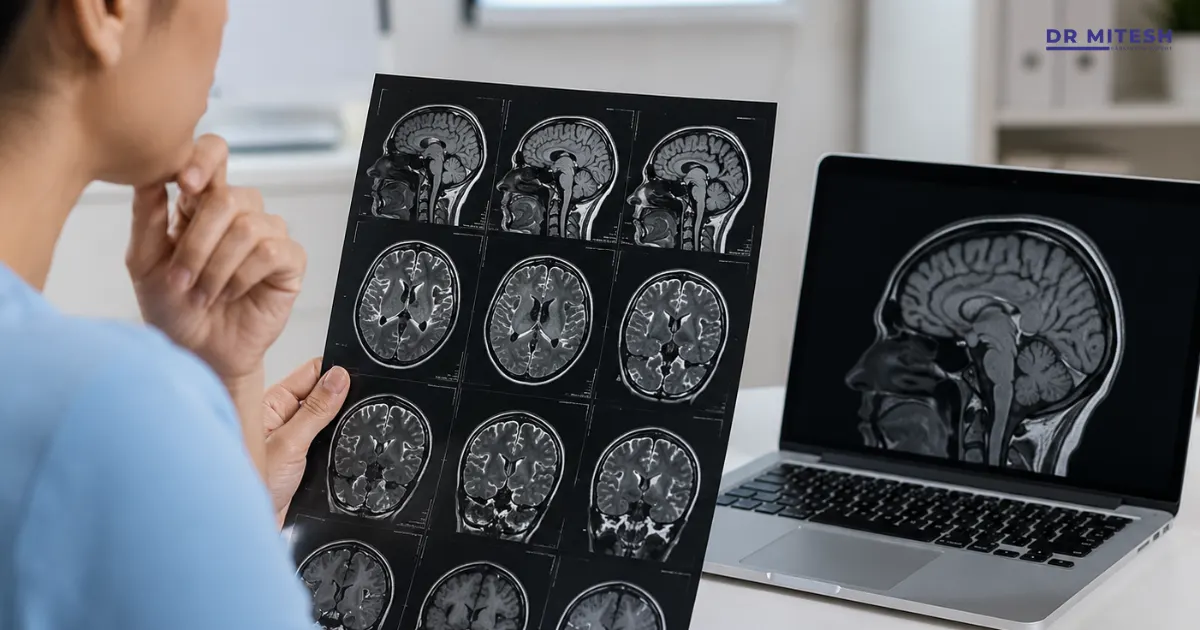

Receiving a neurological diagnosis can feel overwhelming. Whether it is Parkinson’s disease, epilepsy, chronic headaches, memory issues, or an unusual movement problem, many patients quietly ask themselves:
“Should I take another opinion before starting treatment?”
The answer is simple seeking a Second Opinion is not a sign of distrust. It is a responsible and informed step in healthcare.
If you are considering a consultation with Dr. Mitesh for further clarity, this guide explains when a review is helpful, what to expect, and how it can strengthen your confidence in your treatment plan.
What Does Taking a Second Opinion Mean?
A Second Opinion means consulting another qualified specialist to:
- Confirm a diagnosis
- Review investigation reports
- Reassess treatment recommendations
- Explore alternative options
It does not mean you are changing doctors permanently. In many cases, patients return to their original physician with greater clarity.
According to global healthcare guidelines, including recommendations from government health bodies and neurology associations, patients have the right to seek additional medical advice before making major treatment decisions.
When Should You Consider a Second Opinion Consultation?
There are certain situations where an additional review becomes especially helpful.
You may benefit if:
- The diagnosis feels unclear or uncertain
- Surgery or advanced treatment (like DBS) is suggested
- Symptoms are not improving despite treatment
- There are conflicting medical opinions
- You simply want reassurance before proceeding
Many patients seek a Second Opinion from Neurologist specialists when dealing with complex movement disorders or unclear brain imaging findings.
How Can Dr. Mitesh Help?
An experienced neurologist evaluates not just reports but the person behind them.
During a consultation, the approach typically includes:
- Reviewing all past reports and scans
- Listening carefully to symptom history
- Performing a detailed neurological examination
- Explaining findings in simple language
- Clarifying risks and benefits of treatment options
An Expert Second Opinion for Diagnosis focuses on clarity, not confusion.
What to Bring for a Medical Second Opinion Review
Preparation makes the consultation more meaningful.
Carry:
- All previous MRI or CT scans (with reports)
- Blood test results
- Previous prescriptions
- Hospital discharge summaries
- A written list of symptoms
- A timeline of illness progression
If you’re unsure what to carry, you may refer to our blog:
Do I Need to Bring Anything for Consulting Neurologist?
This ensures that the Medical Second Opinion Review is thorough and accurate.
Common Conditions Where Patients Seek Another Review
Patients frequently request clarification for:
- Parkinson’s disease diagnosis
- Essential tremor vs Parkinson’s confusion
- Persistent headaches
- Seizure disorders
- Memory decline
- Stroke recovery plans
- Deep Brain Stimulation recommendations
For example, if you are unsure about surgery timing, reading our blog Can I Live a Normal Life After DBS Surgery? may help you understand expectations better.
What Happens During a Second Opinion Consultation?
A structured evaluation usually follows this pattern:
Step 1: Listening First
- Understanding your main concern
- Clarifying doubts about diagnosis
- Discussing treatment goals
Step 2: Reviewing Reports
- Comparing MRI findings with symptoms
- Evaluating lab reports
- Assessing medication response
Step 3: Fresh Clinical Examination
- Checking movement patterns
- Testing reflexes and coordination
- Assessing balance and strength
Step 4: Clear Explanation
- Confirming or revising diagnosis
- Suggesting additional tests (if needed)
- Offering treatment alternatives
This process ensures that you leave with confidence, not confusion.
Does Seeking a Second Opinion Delay Treatment?
No. In fact, it can prevent unnecessary or premature interventions.
A carefully timed review:
- Avoids misdiagnosis
- Prevents overtreatment
- Strengthens treatment planning
- Provides peace of mind
Healthcare systems worldwide encourage informed decisions before major procedures.
When a Second Opinion Adds Value
| Situation | Why Another Review Helps |
|---|---|
| Major surgery advised | Confirm necessity |
| Symptoms not improving | Reassess diagnosis |
| Rare neurological disorder | Specialist expertise |
| Conflicting advice | Clarify best path |
| Personal doubt | Gain reassurance |
Is It Disrespectful to Your Current Doctor?
Not at all.
Medicine is collaborative. Most ethical doctors support patients who want:
- Greater clarity
- Additional reassurance
- Complex case evaluation
A professional approach ensures transparency and respect.
How to Prepare Emotionally
It is normal to feel:
- Confused
- Worried
- Hesitant
Remember:
- You are advocating for your health
- You deserve clarity
- You are not “overthinking”
In neurological care, where symptoms can evolve slowly, thoughtful evaluation is essential.
Conclusion
A Second Opinion is not about doubt, it is about clarity. When facing a neurological diagnosis, especially for complex or progressive conditions, understanding all aspects of your health is vital.
Consulting Dr. Mitesh for an informed review can provide reassurance, confirm accuracy, or suggest alternative pathways. A well-conducted consultation focuses on listening, thoughtful examination, and clear communication.
If you are navigating uncertainty and want expert guidance, seeking a Second Opinion from Neurologist may be one of the most empowering decisions you make for your long-term neurological health.