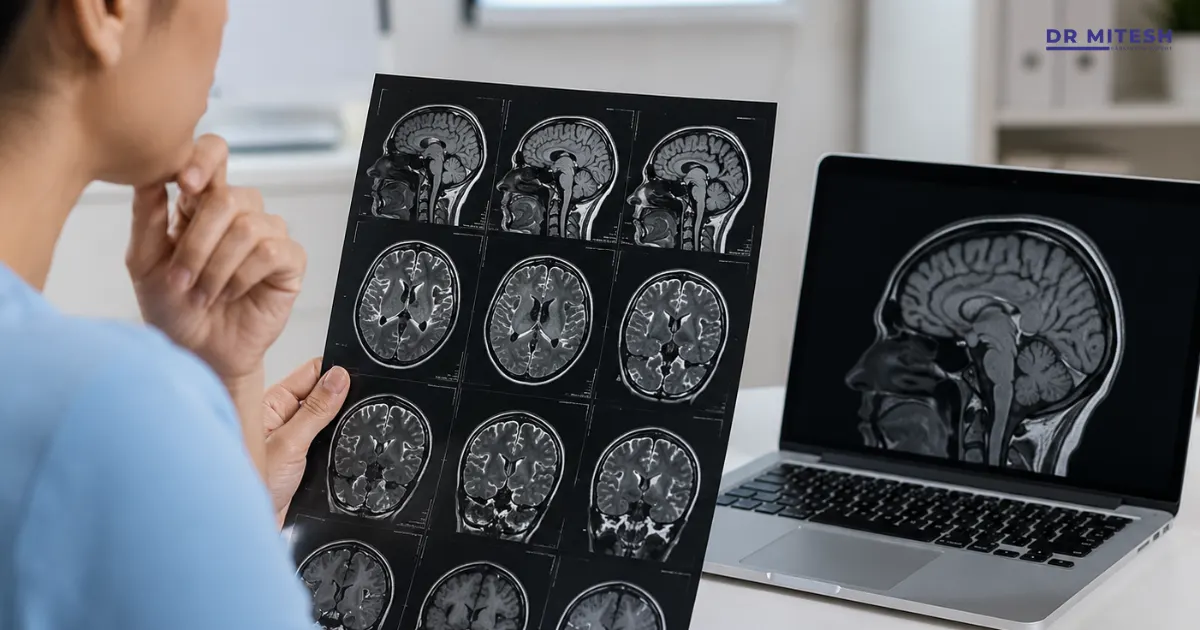
This particular condition is rare, but its impact is serious. Because it is uncommon, it often goes unrecognised leading to delayed therapy, potentially irreversible damage and unnecessary suffering. Promoting Wilson’s Disease Awareness is not just about one illness, it is about giving voice to all rare conditions, improving recognition by patients, families and healthcare professionals, and thereby improving outcomes.
When awareness rises, more people receive timely evaluation, more clinicians think of it earlier, and more lives change for the better. Let’s dive into why this matters.
What Makes a Rare Liver and Neurological Disorder Hard to Recognise
Rare disorders share several challenges, especially when they affect both liver and brain:
- Many doctors will rarely see a case in their career, so awareness is low.
- Symptoms may mimic more common food or alcohol-related liver disease, or be mistaken for psychiatric/neurological issues.
- Because the disease involves both hepatic (liver) and neurological/psychiatric features, it spans multiple specialties, increasing the chance of mis-referral or delayed diagnosis. For example, the disorder can cause both abnormal movement and liver failure.
- Laboratory tests may be interpreted incorrectly if the clinician is not alert to the rare possibility or doesn’t know the typical pattern of copper accumulation.
- Patients may have vague symptoms (fatigue, mood changes, coordination issues) that don’t immediately point to a single illness.
Because of these factors, even though the condition is treatable when identified, it is often missed. Awareness campaigns help reduce that gap.
Learn More About Why You Shouldn’t Stop Wilson’s Disease Treatment Too Soon?
Importance of Early Diagnosis in Wilson’s Disease
Detecting this disease early makes a profound difference in outcome. Several key points illustrate this.
Why early recognition matters
- Before treatment begins, copper accumulates in the liver, brain, eyes and other organs. If left unchecked, permanent injury may occur.
- Patients who begin treatment when symptoms are mild (or even asymptomatic) fare much better than those whose diagnosis is made after advanced liver cirrhosis or brain damage.
- Early detection enables use of less invasive treatments (chelators, diet), avoids or delays the need for liver transplant, and improves long-term quality of life.
Recognising early warning signs
Here are some red flags:
- Jaundice, dark urine or rising liver enzymes in a young person.
- Unexplained neurological signs: tremor, stiffness, difficulty walking, speech changes.
- Psychiatric changes: mood swings, depression, personality shifts in someone with no prior history.
- Eye changes: golden-brown rings around the cornea (Kayser-Fleischer ring) may appear.
- Family history of liver disease, neurological problems or unexplained disorders.
Table: Early vs Late Diagnosis – What Changes
| Diagnosis Timing | Likely Outcome |
|---|---|
| Early (mild symptoms) | Normal life span, minimal complications |
| Late (cirrhosis/brain damage) | Worse prognosis, increased complications, may require transplant |
So, spreading knowledge that this condition exists and what to look for can make the difference between normal outcomes and devastating loss. That brings us back to why awareness is so critical.
Learn More About Can Wilson’s Disease Be Cured? The Truth About Treatment and Recovery.
Wilson’s Disease Awareness, Why it Matters
Wilson’s disease is one among many illnesses classified as rare, but that doesn’t make it less important. Here’s why raising awareness matters broadly, and for this condition specifically.
Broader benefits of rare-disease awareness
- It helps clinicians include rare disorders in their differential diagnosis, reducing misdiagnosis and diagnostic delay.
- It encourages public health systems to support screening programs, registries, and research funding.
- It empowers patients and families: when you know what to ask, you get better care.
- It fosters communities: rare disease is isolating, and awareness builds support networks.
Specific benefits for Wilson’s disease
- As noted by patient-and-physician studies, delayed diagnosis is common when neurological signs appear first, patients reported ranges of 1 to 16 years of delay.
- Education programs help primary-care doctors or neurologists spot the disorder in its early hepatic or neurological phase.
- Awareness campaigns encourage family-screening since the disorder is inherited.
- Earlier diagnosis leads to earlier treatment which prevents much of the severe liver and brain damage.
- Rare disease observances (such as Rare Disease Day) shine a spotlight on conditions that might otherwise stay in the shadows.
By building awareness of this one condition, we also improve outcomes for many others with rare liver- and brain-affecting illnesses.
Learn More About From Balance Issues to Brain Health: What Frequent Falling Means.
Wilson’s Disease Early Symptoms, Spotting the Subtle Signs
Being alert to early symptoms means you or your clinician can act earlier. Here’s a breakdown of what to look for:
Liver-related signs
- Persistent fatigue, loss of appetite, unexplained vomiting or swelling of abdomen.
- Jaundice (yellow skin/eyes), dark urine, pale stools.
- Elevated liver enzymes with no clear cause.
- Family history of liver issues at young age.
Neurological/psychiatric signs
- Tremors (especially in arms), stiffness, slowed movement, awkward gait.
- Difficulty speaking or swallowing.
- Mood changes: depression, personality shifts, irritability.
- School issues in young people: declining grades, coordination problems, behaviour changes.
- Eye changes: Kayser-Fleischer ring seen by ophthalmologist in many cases.
Why these signs often lead to delay
- Because symptoms are varied and overlap with many common conditions, the disorder is often missed initially.
- If the first signs are psychiatric or neurological (rather than liver), diagnosis is often delayed. Studies confirm this.
- Young age at onset or mild symptoms may lead to false reassurance and lack of follow-up.
What patients and families can do
- If a parent or sibling has this disorder, ask the doctor about screening even if no symptoms are present.
- Don’t assume “normal liver disease” or “just stress” when symptoms strike at a young age ask whether a specialist referral is needed.
- Keep notes of symptoms, especially when they involve both liver and brain/neurological signs, this often triggers the right workup.
Learn More About Functional Movement Disorders: Symptoms and Treatment
Taking Action: What Awareness Really Looks Like in Practice
Awareness is not just a slogan, it means real actions at many levels. Here’s how to put it into practical effect.
For patients & caregivers
- Learn the key symptoms and risk factors of the condition.
- Discuss family history openly with your doctor: sharing that someone in your family had liver or brain issues early can prompt the right testing.
- Ask your clinician: “Should I be screened for this rare condition?”
- Connect with patient community groups (many exist for rare disorders) to get resources and support.
For healthcare professionals
- Keep the disorder in mind when seeing patients with unusual combinations: e.g., early liver disease + movement problems.
- Use the available guidelines (such as from GeneReviews) to know when to order copper/ceruloplasmin/urinary copper tests.
- Refer to specialists or centers of excellence when diagnosis is uncertain rare disorders often need a multidisciplinary team.
For public-health and advocacy
- Support campaigns on Rare Disease Day and beyond to give visibility to conditions like this one. Wikipedia
- Encourage health systems to maintain registries, fund research, and enable access to screening and treatment.
- Promote education in schools, especially where signs might first appear (behaviour, coordination, mood).
Example Infographic Components
- How the condition works: copper accumulation in liver → brain.
- Early symptoms chart: liver signs + neurological/psychiatric signs.
- Steps to take: symptom → test → specialist → treatment.
- Why awareness helps: earlier diagnosis → better outcome.
Learn More About REM Sleep Behavior Disorder (RBD)
Common Questions & Concerns About Raising Awareness
Q: Why focus on a rare condition when there are far more common diseases?
A: While the condition is rare, each diagnosis represents a significant life-saving opportunity. Plus, strategies for rare-disease recognition improve overall healthcare clinicians become alert to less-common causes, benefiting many.
Q: I’ve never heard of it, why?
A: Because rare disorders by definition are uncommon. Their symptoms may mimic common illnesses, so without targeted awareness they fly under the radar.
Q: What if I have minor symptoms, should I worry?
A: Minor or vague symptoms can sometimes be early signs. Especially if there are risk factors (family history, liver + brain signs). Discussing the possibility with your doctor is prudent. Early screening is low risk and high potential benefit.
Q: Does awareness really change outcomes?
A: Yes. As data show, diagnosis made early leads to much better prognosis, less organ damage, less neurological decline, better quality of life. The earlier you spot it, the sooner you start treatment.
Q: What can I personally do to help?
A: Share your story, educate your peers and medical providers, support patient groups, advocate for screening and resources. Each voice counts, one awareness post might save a life.
Conclusion
Wilson’s Disease Awareness goes far beyond understanding a single rare disorder it represents a movement toward compassion, education, and early detection. Though the condition is uncommon, its effects can be life-altering when left undiagnosed or untreated. Spreading awareness ensures that more people recognize early symptoms of Wilson’s disease, seek timely medical help, and receive appropriate long-term management before irreversible liver or neurological damage occurs.
With the right guidance, individuals diagnosed with Wilson’s disease can live healthy and fulfilling lives. Consulting the best neurologist in Ahmedabad can make all the difference offering expert evaluation, personalized treatment plans, and continued monitoring to prevent complications. Expert neurological care not only improves recovery but also brings hope to families navigating the challenges of rare liver and brain disorders.
Awareness, early action, and expert medical support together form the strongest foundation for a brighter, healthier future for everyone affected by Wilson’s disease.
Authoritative References
- National Center for Biotechnology Information – Wilson’s Disease Awareness
- Mayo Clinic – Wilson’s Disease Awareness
- Liver Fellow Network – Wilson’s Disease Awareness
- Medscape – Wilson’s Disease Awareness
- Orphanet Journal of Rare Diseases – Wilson’s Disease Awareness