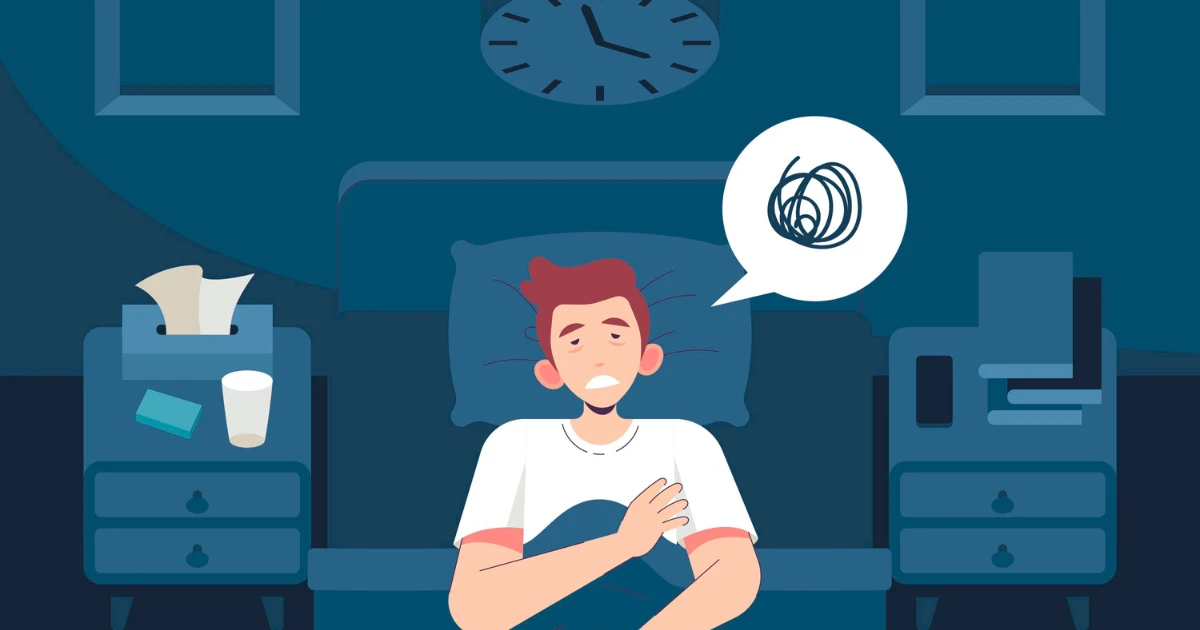
REM Sleep Behavior Disorder (RBD) is a unique and often misunderstood sleep-related behavior disorder that causes individuals to physically act out their dreams. This can include vocal sounds and sudden, sometimes violent arm and leg movements during REM (rapid eye movement) sleep, typically when dreaming occurs. Unlike normal sleep, where muscle activity is naturally suppressed, people with RBD lack this paralysis, resulting in the potential for injury to themselves or their bed partners.
What Is REM Sleep and Why Is It Important?
REM sleep is one of the five stages of the sleep cycle and is associated with vivid dreaming, learning, and memory consolidation. During REM sleep:
- The brain is highly active, similar to a waking state
- Breathing and heart rate become irregular
- Muscles are typically paralyzed to prevent acting out dreams
- It occurs several times a night, increasing in duration during later cycles
This phase is essential for emotional regulation and cognitive function, making any disruption to REM sleep potentially harmful to mental health.
Learn More About Parkinson’s and Stroke: Causes, Symptoms, and Care.
Understanding REM Sleep Behavior Disorder
RBD is classified as a parasomnia, which includes abnormal movements or behaviors during sleep. It often presents itself as:
- Talking, shouting, or screaming during sleep
- Sudden limb movements, such as punching or kicking
- Falling out of bed or lashing out in response to dream content
- Complete recall of vivid dreams upon waking
- Occurrence during the second half of the night, when REM sleep is more frequent
Unlike nightmares or sleepwalking, people with RBD are usually easy to awaken and are fully alert afterward.
Causes and Risk Factors
The exact cause of RBD is not fully understood, but it has been linked to several neurological and medical conditions. Known associations include:
- Neurodegenerative diseases such as Parkinson’s disease, Lewy body dementia, and multiple system atrophy
- Use of antidepressants or withdrawal from substances like alcohol or sedatives
- Traumatic brain injuries or brainstem lesions
- Genetic predisposition in rare cases
Understanding the root cause is crucial for effective management and identifying early signs of neurodegenerative disorders.
Learn More About Mirror Movements: What They Reveal About the Nervous System.
Symptoms and When to Seek Help
RBD symptoms can be subtle at first but gradually become more pronounced. Key warning signs include:
- Repeated physical movements during sleep
- Frequent injuries to self or bed partner during the night
- Restless sleep or waking up feeling tired
- Vivid, intense dreams that feel real upon waking
Consult a neurologist like Dr Mitesh Chandarana or sleep specialist if these symptoms persist. Early diagnosis is essential for safety and proper treatment.
Diagnosing RBD
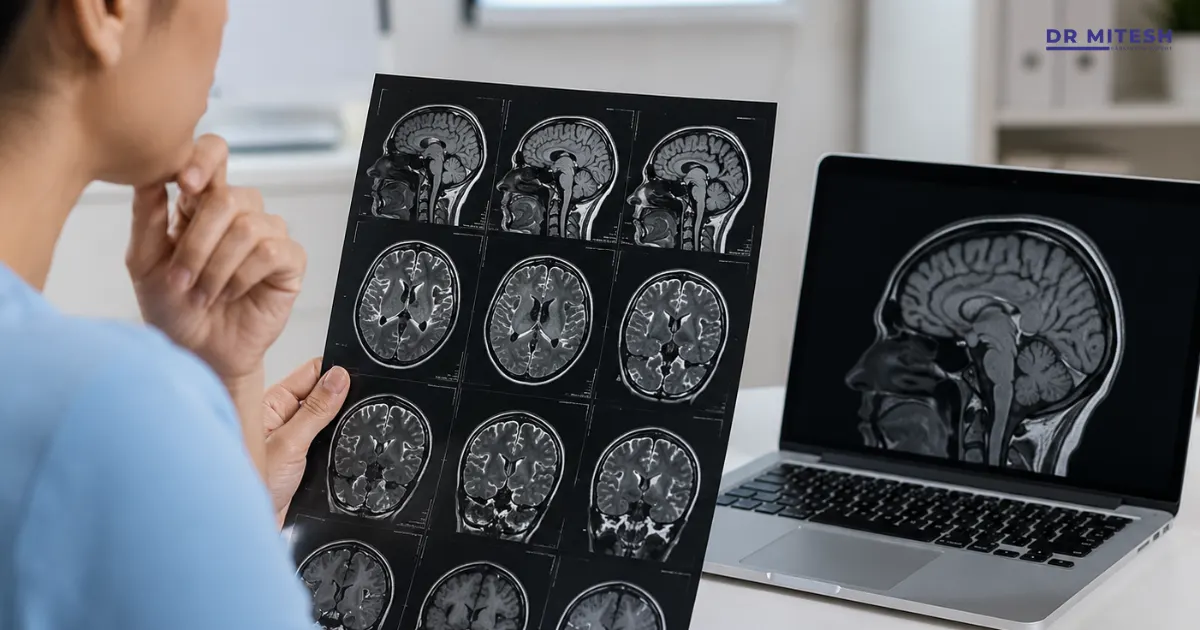
A proper diagnosis of Sleep Behaviour Disorder involves evaluating both the physical symptoms and underlying neurological health. Diagnostic steps may include:
- Detailed sleep history from the patient and their partner
- Overnight polysomnography (sleep study) to monitor brain activity, muscle tone, and movement
- Neurological exams to check for early signs of Parkinsonian disorders
- Rule out other conditions like obstructive sleep apnea or nocturnal seizures
An accurate diagnosis helps determine the severity of the behavior disorder and the risk of associated neurological conditions.
Learn More About How Your Brain Works: Science Behind Your Mind.
Treatment Options
Managing REM Sleep Behavior Disorder involves a combination of medication, lifestyle adjustments, and safety measures. Treatment goals are to reduce violent movements and ensure restful sleep.
Medications
- Clonazepam: A sedative used to reduce muscle activity during REM sleep
- Melatonin: A hormone that helps regulate the sleep-wake cycle and reduce symptoms
- Adjustments in medications if RBD is drug-induced
Lifestyle Changes
- Keeping a consistent sleep schedule
- Avoiding alcohol, caffeine, and heavy meals before bedtime
- Creating a calming bedtime routine
Safety Measures
- Removing sharp or dangerous objects from the bedroom
- Placing cushions on the floor near the bed
- Using padded bed rails or sleeping in a separate bed temporarily
Connection Between RBD and Parkinson’s Disease
RBD can be an early indicator of Parkinson’s disease and other synucleinopathies. Studies have shown that:
- Nearly 40-50% of people with idiopathic RBD develop a neurodegenerative disorder within a decade
- It may appear years before motor symptoms of Parkinson’s begin
- Monitoring and follow-up are crucial for patients with RBD
This makes RBD a potentially valuable early warning sign in neurology. If diagnosed, patients should consider periodic neurological evaluations even if no other symptoms are present.
Learn More About Speech Therapy for Parkinson’s Patients: Does It Really Help?
Living with RBD
RBD can impact daily life and relationships, but with proper treatment, many individuals experience significant relief. Tips for coping include:
- Communicating with your partner about the condition and taking mutual safety precautions
- Using sleep aids only under medical supervision
- Joining support groups for individuals with sleep or movement disorders
- Tracking symptoms and maintaining follow-up appointments with healthcare providers
Effective management helps maintain quality of life and minimize risks associated with this behavior disorder.
Conclusion
REM Sleep Behavior Disorder is more than just unusual nighttime activity. It can be a signal of underlying neurological changes and requires timely intervention. Whether you’re experiencing symptoms or concerned for a loved one, understanding this condition and seeking help can make a significant difference in long-term outcomes.
A neurologist or sleep specialist can help create a personalized treatment plan tailored to your needs. For expert evaluation and compassionate care, consult The Best Neurologist, experienced in diagnosing and managing Restless Legs Syndrome and other complex neurological conditions.
External Reference
- Mayo Clinic – Sleep Behavior Disorder
- Cleveland Clinic – REM Sleep Behavior Disorder
- Wikipedia – Sleep Behavior Disorder
- American Brain Foundation – REM Sleep Behavior Disorder (RBD)