Corticobasal degeneration (CBD) is a rare and complex neurological disorder that progressively impairs movement, speech, and cognitive functions. Often mistaken for Parkinson’s disease or other movement disorders in the early stages, CBD is classified under atypical parkinsonian syndromes and is associated with abnormal protein buildup in certain areas of the brain. Understanding the symptoms, underlying causes, and available treatment options is crucial for patients, caregivers, and healthcare professionals seeking clarity on managing this condition effectively.
What Is Corticobasal Degeneration?
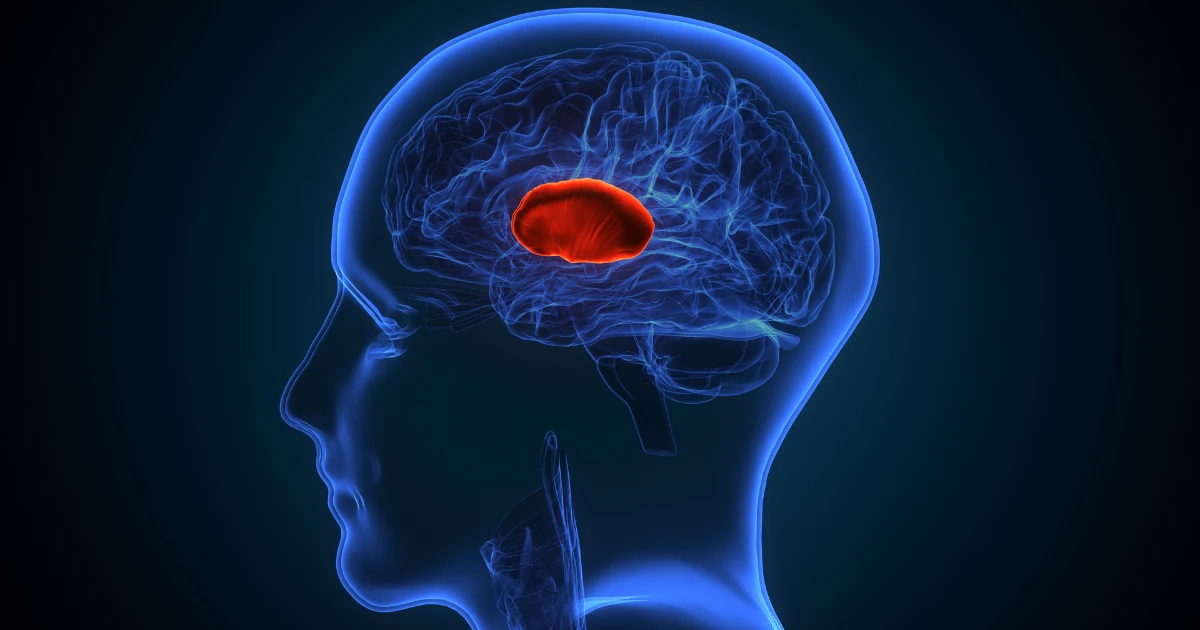
Corticobasal degeneration is a progressive neurodegenerative disease characterized by the accumulation of tau protein in the brain, leading to the degeneration of neurons and brain tissue. It falls under the category of tauopathies, a group of disorders marked by abnormal tau protein deposits.
- Typically affects individuals between ages 50 and 70
- Causes asymmetrical movement difficulties, meaning one side of the body is often more affected than the other
- Leads to both motor and cognitive impairments
- Considered a rare condition, affecting fewer than 5 people per 100,000 globally
Learn More About Why Does Parkinson’s Happen? Understanding the Possible Causes and Risks.
Early and Progressive Symptoms
Recognizing early signs of corticobasal degeneration is essential for timely diagnosis and care planning. However, symptoms often resemble those of other neurological conditions, making diagnosis challenging.
- Motor Symptoms:
- Rigidity or stiffness in limbs, usually on one side
- Difficulty with voluntary movements (apraxia)
- Tremors or jerky movements (myoclonus)
- Loss of coordination and balance
- Dystonia, causing abnormal muscle postures
- Cognitive and Behavioral Changes:
- Memory difficulties
- Language problems (aphasia)
- Poor concentration and planning ability
- Behavioral changes like apathy or irritability
These symptoms tend to worsen over time, impacting independence and quality of life.
Learn More About Multiple Sclerosis: Symptoms, Causes, and Treatment.
Causes and Risk Factors
While the exact cause of corticobasal degeneration remains unknown, research suggests several potential contributing factors:
- Tau Protein Abnormality:
- The accumulation of defective tau protein disrupts normal cell functioning and leads to neuronal death
- Genetic Factors:
- Most cases are sporadic, meaning they occur randomly with no clear hereditary pattern
- Rare familial cases have been reported, potentially linked to mutations in the MAPT gene
- Environmental Triggers:
- No specific environmental cause has been confirmed, but studies continue to explore associations
CBD is not contagious and does not result from lifestyle choices.
Learn More About Is Parkinson’s Genetic? Genetics Behind Parkinson’s Disease.
How Is CBD Diagnosed?
Diagnosing corticobasal degeneration can be complex due to symptom overlap with conditions like Parkinson’s disease, Alzheimer’s disease, and progressive supranuclear palsy. A neurologist with experience in movement disorders typically leads the diagnostic process.
- Clinical Evaluation:
- Comprehensive medical history review
- Neurological examination assessing movement, reflexes, and coordination
- Neuroimaging:
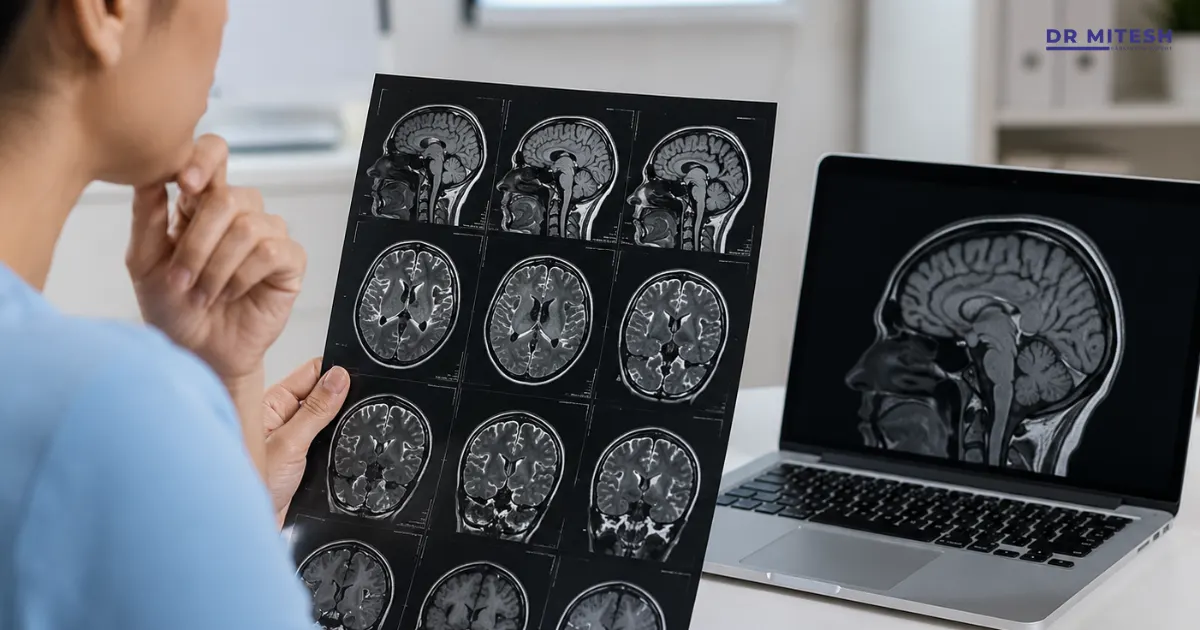
- MRI may reveal brain atrophy, especially in the frontal and parietal lobes
- PET scans can assess glucose metabolism in different brain regions
- Cognitive Assessments:
- Tests evaluating memory, language, attention, and executive function
- Exclusion of Other Conditions:
- Blood tests and spinal fluid analysis to rule out infections, inflammation, or other neurodegenerative diseases
Accurate diagnosis often requires longitudinal observation and multidisciplinary collaboration.
Treatment Options and Supportive Therapies
There is no cure for corticobasal degeneration, but a combination of medical treatments and supportive therapies can help manage symptoms and improve quality of life.
- Medications:
- Parkinson’s medications (e.g., levodopa) may offer limited benefit
- Muscle relaxants for dystonia and spasticity
- Antidepressants or antipsychotics for mood and behavioral symptoms
- Physical Therapy:
- Improves mobility, balance, and muscle strength
- Helps reduce risk of falls
- Occupational Therapy:
- Teaches adaptive techniques for daily activities
- Supports use of assistive devices
- Speech and Language Therapy:
- Assists with communication challenges and swallowing issues
- Nutritional Support:
- Ensures adequate intake, especially in later stages when swallowing becomes difficult
Living with Corticobasal Degeneration
Being diagnosed with CBD can be overwhelming, but a proactive and informed approach can help patients and caregivers navigate the challenges effectively.
- Care Coordination:
- Regular follow-ups with neurologists and rehabilitation specialists
- Multidisciplinary care teams including speech therapists, occupational therapists, and psychologists
- Emotional and Psychological Support:
- Counseling to manage depression or anxiety
- Support groups for sharing experiences and reducing isolation
- Home Adaptations:
- Installation of grab bars, ramps, and non-slip flooring
- Simplification of daily routines
A compassionate support network plays a crucial role in maintaining dignity and mental well-being.
Learn More About Role of Genetics and Environmental Factors in Movement Disorders.
CBD and Its Relationship with Other Disorders
Corticobasal degeneration often overlaps with other neurological conditions, leading to diagnostic challenges. Understanding these overlaps is key for patients and healthcare professionals.
- Progressive Supranuclear Palsy (PSP):
- Shares similar tau protein pathology
- PSP is more likely to cause vertical gaze palsy and early postural instability
- Frontotemporal Dementia (FTD):
- Cognitive and behavioral symptoms may resemble those seen in CBD
- FTD primarily affects frontal and temporal lobes
- Parkinson’s Disease:
- May initially appear similar but has different underlying pathology and typically responds better to dopaminergic therapy
Understanding the differences helps refine treatment goals and set realistic expectations.
When to See a Neurologist
Early consultation with a neurologist is crucial when symptoms of movement disorders or cognitive decline arise. Prompt evaluation can lead to better management and planning.
- Persistent stiffness or limb dysfunction, especially if asymmetrical
- Sudden changes in behavior, language, or memory
- Difficulty performing everyday tasks despite physical ability
- Rapidly progressing tremors or involuntary movements
Timely intervention enables patients and caregivers to understand available treatment and support options.
Conclusion
Corticobasal degeneration is a rare but serious neurodegenerative disease that profoundly affects motor and cognitive functions. While it cannot be cured, understanding its symptoms, causes, and treatment strategies enables patients and families to make informed decisions. Through a multidisciplinary approach involving neurologists, therapists, and caregivers, patients can achieve a better quality of life despite the challenges posed by this condition.
For expert neurological care in Gujarat, consult the Best Parkinson Doctor to get specialized support for complex movement disorders is delivered with compassion and precision.
Authoritative References
- Mayo Clinic – Corticobasal degeneration (CBD)
- Wikipedia – Corticobasal degeneration
- Cleveland Clinic – Corticobasal degeneration
- Science Direct – Corticobasal degeneration