
Speech Therapy for Parkinson’s Patients: Does It Really Help?

Parkinson’s disease is known primarily as a movement disorder, affecting walking, balance, and muscle control. However, many patients also experience difficulties with speech, voice, and communication, which are often overlooked. Problems such as a soft voice, slurred speech, or a monotonous tone can severely impact a patient’s confidence and social life. This is where speech […]
Caffeine and Parkinson’s: Risk or Relief?

For many, the day doesn’t begin without a cup of coffee or tea. Caffeine, the world’s most consumed stimulant, is commonly associated with increased alertness, improved mood, and better focus. But when it comes to neurological conditions like Parkinson’s disease, questions often arise: Is caffeine helpful or harmful? Could regular coffee consumption reduce the risk […]
Parkinson’s and Stroke: Causes, Symptoms, and Care

Parkinson’s disease and stroke are two of the most common neurological conditions affecting millions worldwide. While they are distinct disorders, emerging research and clinical observations suggest there may be interactions between Parkinson’s and stroke in certain cases. Understanding these conditions, their symptoms, and how they influence one another is crucial for timely diagnosis and proper […]
Can Ataxia Be Cured? Exploring Treatable and Chronic Forms

Ataxia is a movement disorder that causes poor coordination, balance difficulties, and trouble performing precise tasks. But “ataxia” is not one single disease, it’s a symptom or syndrome that may stem from many causes. Thus, the question “Can ataxia be cured?” depends entirely on which form the person has. Some types can improve (or even […]
Ataxia vs Parkinson’s: Understanding the key Differences
Many people hear “Parkinson’s” and think immediately of tremors and stiffness. Others who see someone stagger or sway might suspect “ataxia.” But what sets these apart? When doctors consider how to diagnose ataxia and Parkinson’s, they look at specific signs, test patterns, and brain systems involved. Understanding Ataxia vs Parkinson’s helps patients, families, and caregivers […]
How Your Brain Works: Science Behind Your Mind
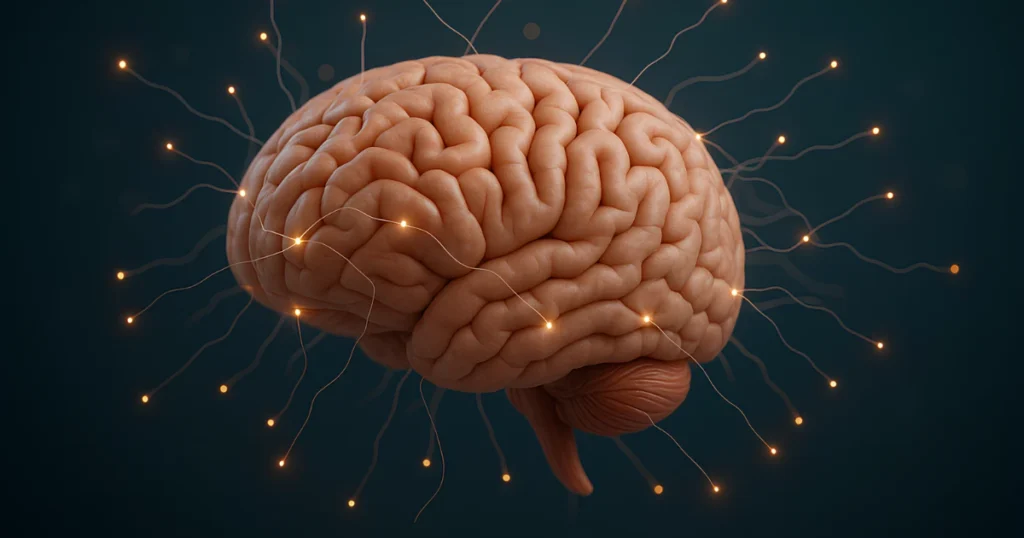
The human brain is one of the most complex and fascinating organs in the body. It controls everything we do from breathing and heartbeat to emotions, thoughts, and movements. Understanding how your brain works not only demystifies common cognitive and neurological functions but also helps you make better decisions about your mental and physical health. […]
Drug Induced Movement Disorders: Causes and Treatments

Movement disorders can arise from various underlying causes, one of which is medication. Drug induced movement disorders (DIMDs) are neurological symptoms that result from adverse effects of certain medications on the nervous system. Recognizing these disorders is crucial, as timely identification and treatment adjustment can significantly improve a patient’s quality of life. What Are Drug […]
Functional Movement Disorders: Symptoms and Treatment

Functional Movement Disorders (FMDs) are neurological conditions that involve abnormal movements such as tremors, spasms, or gait issues without any identifiable structural damage in the brain or nervous system. Though these disorders are real and disabling, they are not caused by traditional neurological diseases like Parkinson’s or multiple sclerosis. Understanding Functional Movement Disorders is essential […]
REM Sleep Behavior Disorder (RBD)

REM Sleep Behavior Disorder (RBD) is a unique and often misunderstood sleep-related behavior disorder that causes individuals to physically act out their dreams. This can include vocal sounds and sudden, sometimes violent arm and leg movements during REM (rapid eye movement) sleep, typically when dreaming occurs. Unlike normal sleep, where muscle activity is naturally suppressed, […]
Corticobasal Degeneration: Symptoms, Causes, Treatments
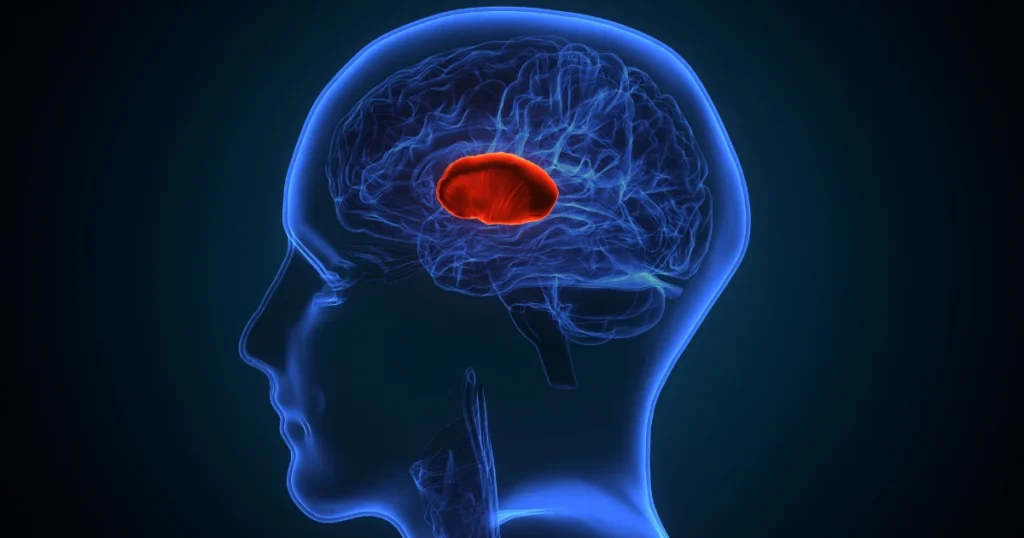
Corticobasal degeneration (CBD) is a rare and complex neurological disorder that progressively impairs movement, speech, and cognitive functions. Often mistaken for Parkinson’s disease or other movement disorders in the early stages, CBD is classified under atypical parkinsonian syndromes and is associated with abnormal protein buildup in certain areas of the brain. Understanding the symptoms, underlying […]