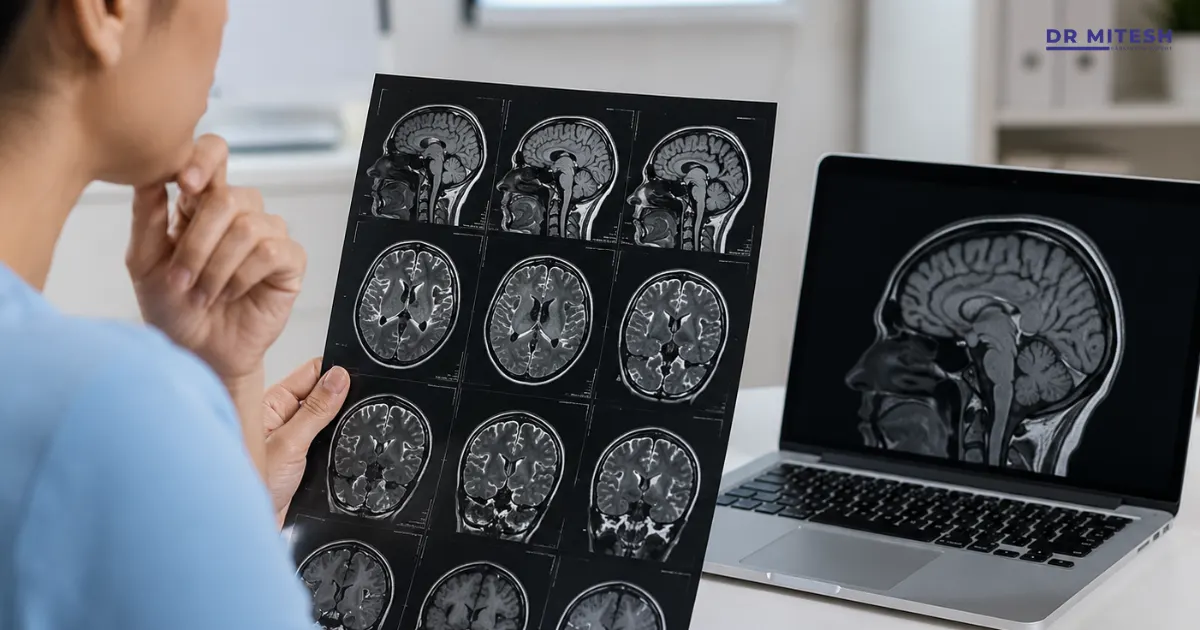

The human nervous system is incredibly complex, relying on a delicate balance of nutrients and biochemical signals to function optimally. When key vitamins are lacking in the body, it can lead to a range of neurological symptoms. These symptoms can sometimes mimic serious disorders, making it crucial to understand the connection between vitamin deficiencies and brain or nerve-related issues. In this blog, we will explore how certain vitamin deficiencies can lead to neurological symptoms, which vitamins are most commonly involved, and what steps individuals can take for prevention and treatment.
What Are Neurological Symptoms?
Neurological symptoms refer to signs and complaints that result from problems in the brain, spinal cord, or peripheral nerves. These may include:
- Numbness or tingling in the hands and feet
- Muscle weakness or cramps
- Difficulty walking or maintaining balance
- Memory problems or confusion
- Mood changes such as depression or anxiety
- Vision disturbances
- Poor coordination or tremors
These symptoms can be temporary or chronic, mild or severe, and are often mistaken for other neurological disorders. That is why it is essential to consider vitamin deficiencies as a potential cause, especially when symptoms appear suddenly or without an obvious explanation.
Learn More About Brain Exercises That May Delay Cognitive Decline.
Common Vitamin Deficiencies That Cause Neurological Symptoms
Several essential vitamins play a critical role in nervous system health. When these vitamins are deficient, neurological symptoms can manifest. Here are the most important ones:
Vitamin B12 (Cobalamin)
Vitamin B12 deficiency is one of the most well-known causes of neurological symptoms.
- Causes numbness and tingling in hands and feet
- Leads to poor coordination and balance
- Associated with memory loss, brain fog, and even dementia-like symptoms
- Common in older adults, vegans, or those with gastrointestinal disorders
Vitamin B1 (Thiamine)
Thiamine deficiency is known to cause neurological syndromes such as Wernicke’s encephalopathy and Korsakoff’s syndrome.
- Can result in confusion, difficulty concentrating, and poor memory
- Muscle weakness and fatigue are common
- Alcoholics and individuals with chronic illness are at higher risk
Vitamin B6 (Pyridoxine)
While both deficiency and excess of B6 can cause nerve issues, a lack of it is often linked to:
- Irritability, depression, and cognitive difficulties
- Peripheral neuropathy (tingling, numbness)
- Often seen in people with kidney disease or malabsorption syndromes
Vitamin D
Though mostly associated with bone health, Vitamin D also plays a role in brain function.
- Low levels linked to mood disorders, including depression
- May contribute to fatigue and poor concentration
- Deficiency is widespread, particularly in those with limited sun exposure
Vitamin E
Vitamin E is a powerful antioxidant essential for nerve health.
- Deficiency can lead to ataxia (impaired coordination), muscle weakness
- Visual disturbances and balance issues may occur
- Rare but seen in individuals with fat absorption issues
Learn More About Foods That Improve Brain Health.
Who Is at Risk for Vitamin-Related Neurological Issues?
While anyone can develop a deficiency, certain groups are at higher risk:
- Older adults: Reduced absorption of nutrients due to aging
- Vegans/Vegetarians: Risk of B12 and D deficiency due to lack of animal products
- Individuals with chronic illness: Conditions like celiac disease, Crohn’s, and kidney disease affect nutrient absorption
- Alcoholics: Alcohol interferes with absorption and metabolism of B vitamins
- People taking certain medications: Long-term use of antacids, metformin, or anti-seizure drugs can impair nutrient absorption
How Are These Deficiencies Diagnosed?
Diagnosis usually involves a combination of clinical evaluation and lab tests:
- Blood tests to check vitamin levels
- Neurological examination for reflexes, balance, and coordination
- Patient history including diet, lifestyle, and medications
- MRI or nerve conduction studies in severe or unexplained cases
If a deficiency is identified, treatment can often reverse or significantly improve symptoms, especially if caught early.
Learn More About Anti-inflammatory Diets and Their Role in Neurological Health.
Treatment and Management Strategies
The good news is that many vitamin deficiency-related neurological symptoms are reversible with timely intervention.
Dietary Improvements
- Include B-vitamin-rich foods like eggs, dairy, fish, legumes, and fortified cereals
- Ensure adequate sun exposure or consume vitamin D-rich foods such as fatty fish and fortified dairy
- Add nuts and seeds to diet for vitamin E
Supplements
- B12 injections or oral supplements for those deficient
- Thiamine or B-complex vitamins for alcohol-related deficiencies
- Vitamin D supplements based on blood test results
- Regular monitoring to avoid toxicity, especially with fat-soluble vitamins like D and E
Addressing Underlying Conditions
- Manage chronic illnesses like celiac or Crohn’s to improve absorption
- Review medications with a healthcare provider to avoid nutrient depletion
Lifestyle Adjustments
- Reduce alcohol intake
- Practice balanced and mindful eating habits
- Regular health check-ups, especially for high-risk individuals
When to See a Specialist
If you’re experiencing persistent neurological symptoms without a clear cause, it’s important to consult the Best Neurologist. A detailed evaluation can help rule out serious neurological disorders and identify treatable conditions like vitamin deficiencies.
- Neurological symptoms with no known cause
- Symptoms worsening over time
- Family history of neurological or autoimmune conditions
- Chronic fatigue or unexplained mood changes
Conclusion
Vitamin deficiencies are a surprisingly common yet often overlooked cause of neurological symptoms. From mild tingling to significant memory loss, the effects can be wide-ranging but are often reversible. Identifying and treating the deficiency not only improves symptoms but can also prevent long-term complications. Regular health check-ups, a balanced diet, and early consultation with a neurologist are key strategies for maintaining optimal neurological health.
Early consultation with the Best Neurologist ensures that signs of vitamin-related nerve issues are detected before they impact your quality of life.
Authoritative References
- Science Direct – Vitamin Deficiency
- Cleveland Clinic – Vitamin B12 Deficiency
- Open Access Journal of Neurology and Neurosurgery – Vitamin Deficiency
- Brain & Life – Vitamin Deficiency & Neurological Problem