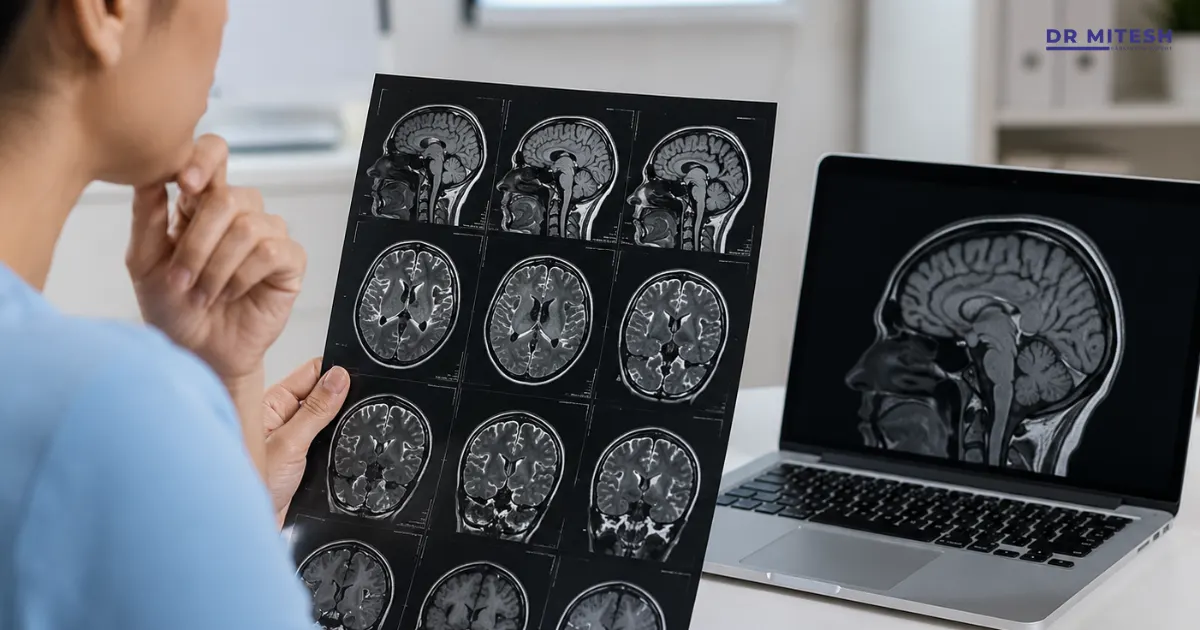

Progressive Supranuclear Palsy (PSP) is a rare and complex neurodegenerative disorder that affects balance, movement, vision, speech, and cognitive function. While PSP shares symptoms with Parkinson’s disease, it is a distinct condition with its own specific features. Understanding the root of the problem the progressive supranuclear palsy cause can help in early detection, symptom management, and guiding future research into effective treatments.
What is Progressive Supranuclear Palsy (PSP)?
PSP is a progressive neurological disorder that damages brain cells, particularly in areas responsible for controlling movement and coordination. It typically begins after the age of 60 and worsens over time.
- Affects movement, balance, speech, and vision
- Characterized by frequent falls, especially backward
- Includes difficulty looking up or down (vertical gaze palsy)
- Often misdiagnosed as Parkinson’s disease early on
- No cure, but symptoms can be managed with supportive care
Learn More About 5 Effective Treatment for Essential Tremor.
Early Symptoms of PSP
Recognizing early symptoms is key to distinguishing PSP from other neurological disorders. Common initial signs include:
- Frequent and unexplained falls
- Slowed movements or stiffness (bradykinesia)
- Difficulty maintaining eye contact or tracking objects
- Trouble speaking clearly or swallowing
- Mood changes such as depression or apathy
- Cognitive issues like forgetfulness or poor judgment
Unlike Parkinson’s, tremors are not typically a prominent symptom in PSP, which helps in differential diagnosis.
Understanding the Progressive Supranuclear Palsy Cause
The exact progressive supranuclear palsy cause is not fully understood, but research has revealed several contributing factors. PSP is considered a tauopathy, a condition caused by abnormal accumulation of tau protein in brain cells.
- Abnormal Tau Protein Accumulation:
- Tau proteins stabilize microtubules in neurons
- In PSP, tau proteins become defective and clump together
- This disrupts cellular function and leads to cell death
- Genetic Factors:
- Most PSP cases are sporadic (not inherited)
- Some genetic variations like in the MAPT gene may increase risk
- No single gene mutation has been definitively linked
- Environmental Influences:
- Possible exposure to certain chemicals or toxins
- Head trauma may contribute but evidence is limited
- No clear pattern like in occupational diseases
While no single progressive supranuclear palsy cause has been isolated, tau dysfunction remains the primary focus of scientific investigation.
How PSP Differs from Parkinson’s Disease
Because PSP shares many clinical features with Parkinson’s disease, it is often mistaken for it in the early stages. Key differences include:
- Eye Movement Issues:
- Difficulty moving eyes up or down is more typical in PSP
- Posture and Falls:
- Backward falls early in the disease are common in PSP
- Response to Medication:
- PSP shows limited or no response to Parkinson’s medications like levodopa
- Speech and Swallowing:
- These symptoms appear earlier and progress more rapidly in PSP
Understanding these differences can aid neurologists in making a more accurate diagnosis.
Learn More About Does Botox Cause Muscle Weakness? What Patients Should Know.
Diagnostic Methods for PSP
There is no definitive test for PSP, but a combination of clinical evaluation and imaging techniques helps in confirming the diagnosis.
- Neurological Examination:
- Assessing gait, reflexes, eye movement, and cognitive abilities
- MRI Brain Imaging:
- May show shrinkage of specific brain regions like the midbrain (hummingbird sign)
- PET Scan:
- Can highlight tau accumulation or reduced metabolic activity
- Exclusion of Other Conditions:
- Rule out Parkinson’s, Alzheimer’s, or stroke-related disorders
Early and accurate diagnosis allows for better management of the condition and planning for future care needs.
Managing Symptoms of PSP
While the progressive supranuclear palsy cause remains incurable, symptom relief is possible through a multidisciplinary approach.
- Medications:
- Levodopa may be tried but is usually ineffective long-term
- Antidepressants can help manage mood changes
- Physical Therapy:
- Improves balance, mobility, and posture
- Use of walkers or support devices to prevent falls
- Speech and Occupational Therapy:
- Helps with swallowing, communication, and daily functioning
- Nutritional Support:
- Modified diets to reduce choking risk
- Caloric management due to difficulty eating
Timely intervention through therapies enhances quality of life and maintains independence for as long as possible.
Learn More About Bradykinesia Treatment: Effective Strategies and Solutions.
Emotional and Caregiver Support
Coping with PSP can be emotionally draining for both patients and their families. Psychological support and caregiver education are crucial.
- Join support groups for shared experiences
- Counseling or therapy to address depression and anxiety
- Respite care for caregivers to prevent burnout
- Advanced care planning and legal counseling
- Patient-centered care models to respect dignity and autonomy
Family education about the progressive supranuclear palsy cause and disease progression is essential for long-term care planning.
Advances in Research and Clinical Trials
Though the progressive supranuclear palsy cause remains under investigation, current research offers hope.
- Studies on anti-tau therapies and immunotherapies
- Development of biomarkers for earlier detection
- New imaging techniques to monitor disease progression
- Global collaborative efforts to understand genetic factors
Patients can inquire about clinical trials through their neurologist or reputable organizations to explore future treatment possibilities.
Conclusion
Progressive Supranuclear Palsy is a complex condition with multiple contributing factors, primarily associated with tau protein abnormalities. Although no single progressive supranuclear palsy cause has been confirmed, advances in research are paving the way for better diagnosis and targeted treatments. By understanding its origins and managing symptoms with a comprehensive care approach, patients and families can face the condition with greater clarity and confidence.
For expert neurological consultations and personalized care, connect with the Best Neurologist, dedicated to helping you achieve better brain and nerve health with compassion and precision.
Authoritative References
- Mayo Clinic – Progressive Supranuclear Palsy
- Wikipedia – Progressive Supranuclear Palsy
- Cleveland Clinic – Progressive Supranuclear Palsy (PSP)
- Hopkins Medicine – Progressive Supranuclear Palsy (PSP)