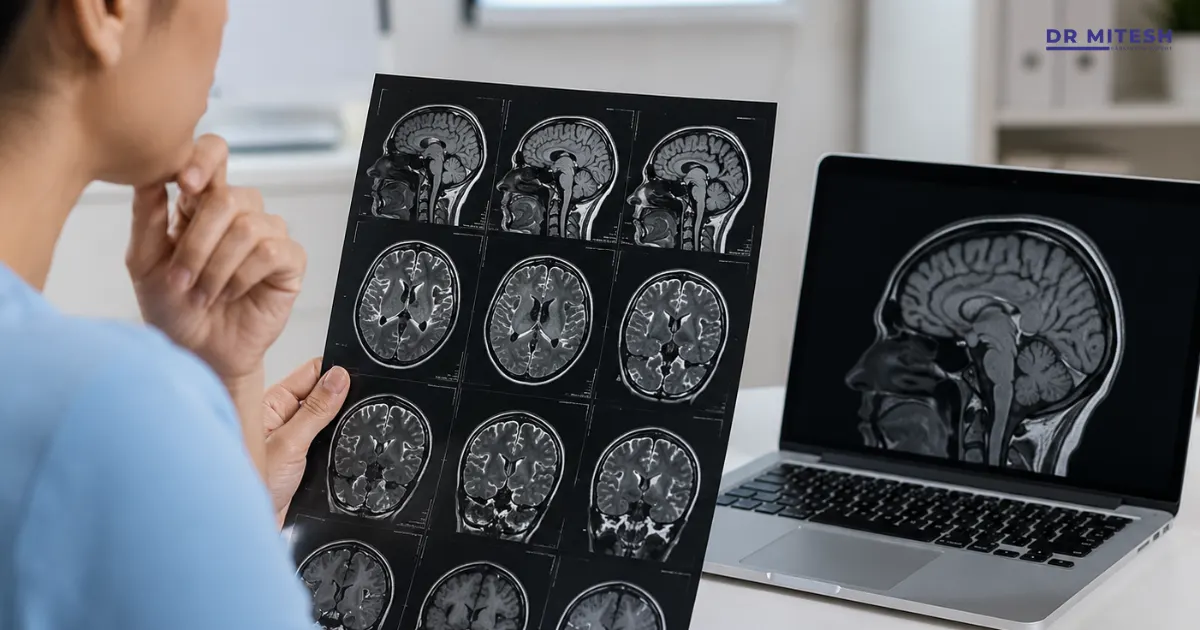

Ataxia is a movement disorder that causes poor coordination, balance difficulties, and trouble performing precise tasks. But “ataxia” is not one single disease, it’s a symptom or syndrome that may stem from many causes.
Thus, the question “Can ataxia be cured?” depends entirely on which form the person has. Some types can improve (or even reverse) if the underlying cause is treated. Others, especially genetic or degenerative forms, tend to persist.
By understanding treatable types of ataxia, what “reversible ataxia” means, and how to support someone with a non-curable form, patients and caregivers can make informed choices.
What Causes Ataxia and Why Some Are Reversible
To know which forms might be curable, it helps to see the range of causes. According to reviews of ataxias: hereditary, acquired, and reversible etiologies, certain categories are more promising for recovery than others.
Types of Ataxia by Cause
| Category | Examples / Causes | Notes on Reversibility |
|---|---|---|
| Acquired / secondary | Vitamin deficiencies (E, B12), alcohol toxicity, stroke, tumor, infection, autoimmune (e.g. gluten ataxia), drug or toxin exposure | Many may improve if the cause is identified early and treated. |
| Episodic / intermittent | Episodic ataxia (types 1, 2), metabolic disturbances | Some respond to medications, or episodes reduce over time. |
| Inherited / genetic / degenerative | Friedreich ataxia, spinocerebellar ataxias, ataxia-telangiectasia | Generally chronic; no full cure currently for many, though research continues. |
Some treatable types of ataxia include:
- Vitamin deficiency ataxia (e.g. vitamin E, B12) — supplementation may reverse symptoms if damage is not permanent.
- Gluten ataxia (immune-mediated) — gluten-free diet and immunotherapy may help.
- Autoimmune or inflammatory ataxias (e.g. paraneoplastic, anti-GAD) — treated with steroids, IVIG or plasmapheresis.
- Toxin or drug-induced ataxia — stopping or reversing exposure may improve function.
- Wilson’s disease — copper chelation therapy can mitigate neurological damage including ataxia. (Listed among treatable causes)
Because of these possibilities, neurologists always try to find reversible causes before concluding that the ataxia is permanent.
However, even in reversible cases, if treatment is delayed, some damage may become permanent, meaning full recovery might not occur.
Learn More About Multiple System Atrophy: Symptoms, Diagnosis, and Management.
When Ataxia Is Likely Chronic or Not Curable
Many cases of ataxia are not fully reversible. These often fall into the genetic, degenerative, or idiopathic categories.
Characteristics of Chronic Ataxia
- Gradual onset and slow progression
- Lack of response to treatments aimed at potential causes
- Family or genetic history
- Accompanying signs of brain degeneration
Many forms of inherited ataxia, such as spinocerebellar ataxias (SCAs) or Friedreich ataxia are progressive and currently incurable.
The medical literature confirms: “Currently, there is no curative treatment available for hereditary ataxia.”
Still, in some degenerative ataxias, new treatments are emerging. For example, the drug omaveloxolone (Skyclarys) has been approved for Friedreich ataxia in adults and teenagers age 16+, and showed symptom improvement in trials.
Even when a form isn’t cured, treatments and support can slow progression, improve function, and enhance quality of life.
Learn More About Managing Neurological Disorders Through Lifestyle Changes.
How Ataxia Treatment Works: From Cause-Focused to Symptom-Focused
Because the chances of a cure depend on cause, the treatment approach typically follows two paths: treatable ataxia intervention and managing chronic ataxia symptoms.
Treatable Ataxia: Tackling the Root
If a reversible cause is suspected, the aim is to correct it:
- Nutritional supplementation (vitamins E, B12, thiamine)
- Immune therapies (steroids, IVIG, plasmapheresis) for autoimmune causes
- Diet changes (e.g. gluten-free diet in gluten ataxia)
- Stopping drug or toxin exposure
- Disease-specific drugs (e.g. miglustat for Niemann-Pick C in some settings)
When successful, these treatments may halt progression or partially reverse symptoms, particularly if applied early.
Managing Chronic Ataxia Symptoms
When cure isn’t possible, the focus shifts to symptom control and maximizing quality of life.
Key approaches include:
- Physical therapy & rehabilitation: balance training, gait stability exercises, coordination tasks
- Occupational therapy: adapting daily tasks, devices for dressing, feeding, writing
- Speech therapy: helping with slurred speech and swallowing problems
- Adaptive devices: walkers, canes, orthoses, assistive tools for home
- Symptomatic medications: to reduce tremor, spasticity, cramps, pain, or bladder issues
- Lifestyle and safety adaptations: fall prevention, home modifications, energy conservation
- Psychological support: addressing depression, fatigue, coping stress
Though no cure exists for many types, these treatments can reduce disability and help people lead fuller lives.
Emerging research includes gene therapy, neurostimulation, and experimental disease-modifying drugs, offering hope for future breakthroughs.
Learn More About Mirror Movements: What They Reveal About the Nervous System.
Managing Chronic Ataxia Symptoms: What Helps Most
Living with chronic ataxia requires a holistic approach. Here are strategies that often make a real difference:
- Daily exercise and movement – even gentle routines help maintain strength and flexibility
- Consistency in rehabilitation – regular sessions with therapists
- Home safety – remove tripping hazards, use railings, ensure good lighting
- Assistive devices as needed – canes, walkers, grab bars
- Voice and swallowing training – to reduce choking risk
- Sleep hygiene, fatigue management, nutrition
- Emotional support networks or patient groups – to reduce isolation
- Frequent monitoring by neurologist / movement disorders specialist
These approaches don’t “cure,” but they help manage disability, slow decline, and optimize daily life.
Common Questions Patients Ask
Here are questions many people considering ataxia treatment wonder about:
Q: If my form of ataxia is genetic, is there no hope of improvement?
A: Genetic ataxias often cannot be fully reversed, but treatments like omaveloxolone (for Friedreich ataxia) may improve symptoms. Plus, symptomatic therapy and rehabilitation can still help a lot.
Q: How long do I have to wait for new cures?
A: Research is accelerating, new therapies (gene therapy, neurostimulation) are being trialed now.
Q: Will treatment help if I’ve had symptoms for many years?
A: Possibly. Some residual improvement or stabilization may occur, though recovery is more limited if damage is longstanding.
Q: Should everyone with ataxia try genetic testing?
A: It depends. For unexplained or familial cases, a genetic panel may help identify a specific type and guide future treatment or eligibility for trials.
Q: What specialist do I see for ataxia?
A: A neurologist, especially at a movement disorders or ataxia specialty clinic, is ideal. Many clinics offer multidisciplinary teams (physical therapy, genetics).
Conclusion
Ataxia is not a single disease but a symptom that can arise from many different causes and whether it can be cured depends on identifying the right one. Some forms, such as those caused by vitamin deficiencies, immune reactions, or toxin exposure, are treatable and sometimes even reversible when diagnosed early. Others, like genetic or degenerative ataxias, remain chronic, requiring long-term management rather than a permanent cure. Yet, living with chronic ataxia does not mean living without progress. Through a combination of physiotherapy, speech and occupational therapy, medical management, and lifestyle adjustments, patients can greatly improve coordination, confidence, and quality of life.
Advances in genetics, neurorehabilitation, and emerging drugs such as omaveloxolone for Friedreich ataxia are offering new hope for families. The key is timely diagnosis and personalized care guided by an experienced movement disorder specialist. Consulting the Best Neurologist ensures a clear understanding of the ataxia type, treatment options, and ongoing support, helping every patient move toward better function, independence, and well-being.
Authoritative Reference
- Mayo Clinic – Ataxia
- Science Direct – Types of Ataxia
- National Library of Medicine – Ataxia