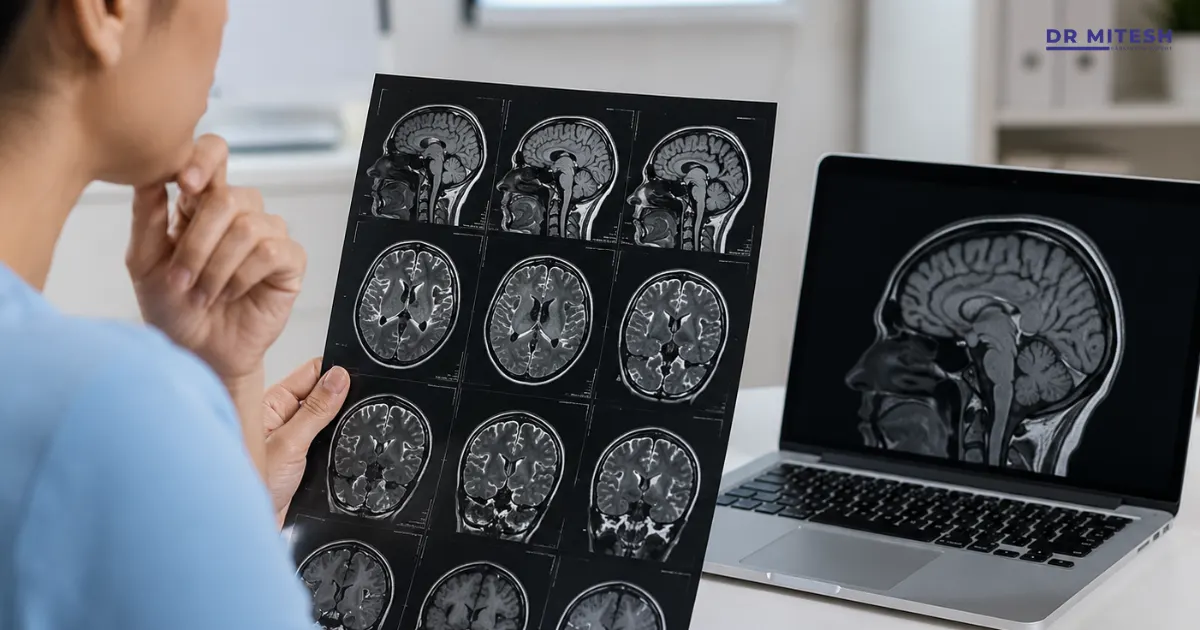
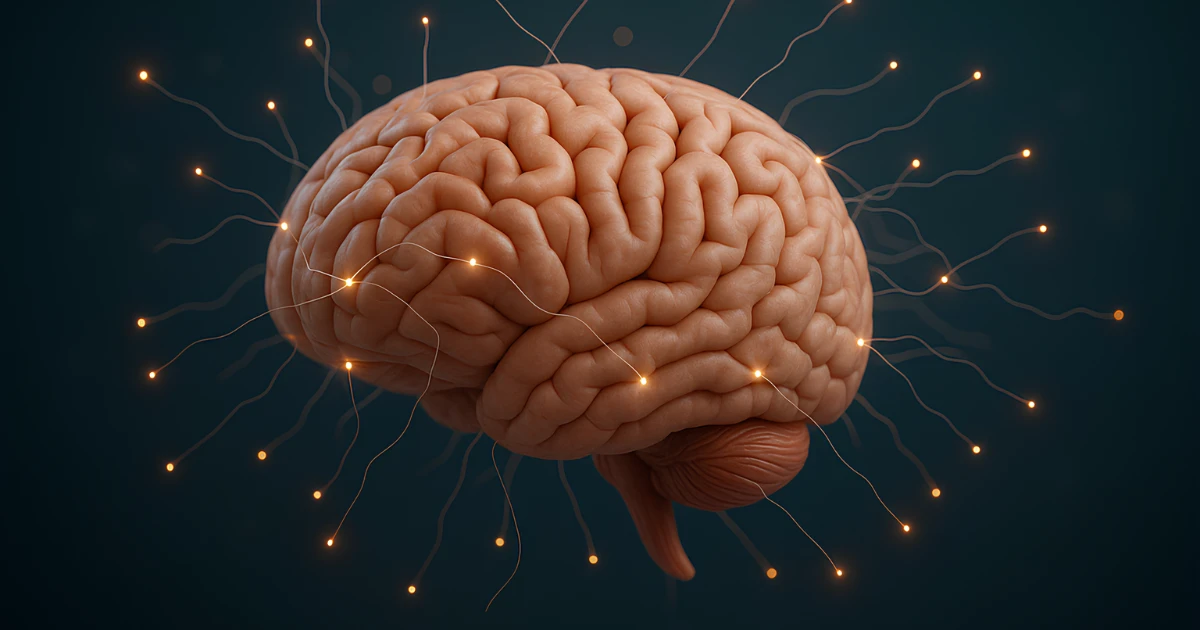
The human brain is one of the most complex and fascinating organs in the body. It controls everything we do from breathing and heartbeat to emotions, thoughts, and movements. Understanding how your brain works not only demystifies common cognitive and neurological functions but also helps you make better decisions about your mental and physical health. This blog will explore the science behind your mind in a simple and easy-to-understand manner, empowering you with knowledge that supports lifelong brain wellness.
The Basic Structure of the Brain
To understand how your brain works, it’s essential to start with its basic structure. The brain is divided into several parts, each responsible for specific functions.
- Cerebrum: The largest part of the brain, involved in thinking, memory, emotion, and voluntary movement
- Cerebellum: Controls balance, posture, and coordination
- Brainstem: Regulates vital functions like breathing, heartbeat, and digestion
- Limbic system: Includes structures like the hippocampus and amygdala, which manage emotions and memory
- Corpus callosum: A bundle of nerve fibers connecting the two hemispheres of the brain
Each part of the brain communicates with the other via a network of neurons and synapses, helping to maintain harmony in bodily functions.
Learn More About Corticobasal Degeneration: Symptoms, Causes, Treatments.
Neurons: The Brain’s Building Blocks
Neurons are the functional units of the brain. They are specialized cells designed to transmit information throughout the body.
- The brain contains approximately 86 billion neurons
- Each neuron has a cell body, dendrites (input structures), and an axon (output structure)
- Communication between neurons happens at synapses through chemical messengers called neurotransmitters
- Neuroplasticity allows the brain to reorganize itself by forming new neural connections
Understanding how neurons work is crucial to understanding how your brain works, especially in learning, memory formation, and recovery from injury.
How Your Brain Processes Information
The brain receives input from sensory organs and processes it to produce appropriate responses. This process involves several key steps:
- Sensation: Information is gathered through the senses (sight, sound, touch, etc.)
- Perception: The brain interprets sensory data
- Cognition: Includes thinking, learning, and problem-solving
- Response: The brain sends signals to muscles and organs to act accordingly
This system ensures that you can respond to your environment efficiently and appropriately, from avoiding danger to enjoying a piece of music.
Learn More About Can Vitamin Deficiencies Cause Neurological Symptoms?
Conscious and Unconscious Functions
Many people wonder whether all brain activity is conscious. In reality, much of what your brain does happens outside your awareness.
- Conscious functions: Talking, decision-making, writing, etc.
- Unconscious functions: Breathing, digesting food, regulating body temperature
- The brain uses automatic processes to conserve energy and improve efficiency
- Reflex actions are immediate responses controlled by the spinal cord and brainstem
Recognizing the difference between conscious and unconscious activity helps explain why habits can be so hard to break they are managed by deeper, automatic systems in the brain.
Memory: How the Brain Stores and Retrieves Information
Memory is one of the most remarkable features of how your brain works. It allows you to store, retrieve, and use information over time.
- Short-term memory: Holds a small amount of information for a brief period
- Long-term memory: Stores information indefinitely and is divided into explicit and implicit memory
- Hippocampus: Plays a central role in forming new memories
- Neurotransmitters like acetylcholine and dopamine: Critical for memory processing
Emotions and the Brain
Emotions are complex responses that involve both the body and brain. The brain areas most involved include:
- Amygdala: Processes emotions like fear and pleasure
- Prefrontal cortex: Regulates emotional responses and decision-making
- Hypothalamus: Controls physical aspects of emotion like heart rate and arousal
- Emotional health influences overall well-being, productivity, and relationships
Understanding your emotions through a neurological lens can improve your mental health and interpersonal skills.
Learn More About Understanding the Difference Between Neurological and Mental Health Conditions.
Brain and Hormonal Balance
Hormones significantly impact brain function. They act as messengers to regulate mood, alertness, and cognitive performance.
- Cortisol: Associated with stress response; chronic stress can impair memory
- Serotonin: Affects mood, appetite, and sleep
- Dopamine: Involved in pleasure, motivation, and reward
- Estrogen and testosterone: Influence brain structure and cognitive function in both genders
Maintaining hormonal balance through sleep, nutrition, and stress management is crucial for optimal brain function.
The Aging Brain
As you age, changes in brain structure and function are normal, but certain factors can slow or even reverse cognitive decline.
- Mild memory lapses are common but not always a sign of disease
- Regular mental stimulation helps maintain cognitive abilities
- Diet, physical exercise, and social interaction support brain health
- Early symptoms of conditions like dementia should prompt a neurologist visit
Disorders That Affect the Brain
Several neurological and psychiatric conditions can interfere with how your brain works.
- Alzheimer’s disease: Affects memory and cognitive functions
- Parkinson’s disease: Impacts movement and balance
- Depression and anxiety: Influence brain chemistry and neural pathways
- Multiple sclerosis: Deteriorates the protective covering of neurons
Early diagnosis and specialized care can manage symptoms and improve quality of life.
Learn More About Can Memory Loss Be Reversed?
Keeping Your Brain Healthy
Protecting brain health should be a lifelong priority. Here are practical tips:
- Eat a brain-friendly diet rich in omega-3s, antioxidants, and fiber
- Exercise regularly to enhance blood flow and reduce inflammation
- Sleep well to consolidate memory and clear toxins
- Challenge your brain with puzzles, reading, or new skills
- Stay socially connected and emotionally balanced
Conclusion
Understanding how your brain works empowers you to take charge of your mental and physical well-being. From sensory input to emotion regulation, the brain is constantly at work behind the scenes. By supporting it through healthy habits, stress management, and timely medical attention, you can maintain cognitive vitality for years to come.
For individuals in Gujarat seeking expert guidance, consulting the Best Neurologist can provide personalized insights into brain health. With expert evaluation and evidence-based strategies, patients can better understand their neurological well-being and take informed steps toward lifelong brain care.
Authoritative References:
- Hopkins Medicine – How Brain Works
- Cleveland Clinic – Brain process Information
- Cleveland Clinic – Memory been stored
- Endocrine Society – Brain Hormones